Parsing is the product. Embeddings are the commodity.
I've replaced three 'RAG is solved' pipelines this year. The pattern is always the same: layout-aware parsing, hybrid retrieval, and a reranker, not a bigger embedding model.

I've replaced three 'RAG is solved' pipelines this year. The pattern is always the same: layout-aware parsing, hybrid retrieval, and a reranker, not a bigger embedding model.


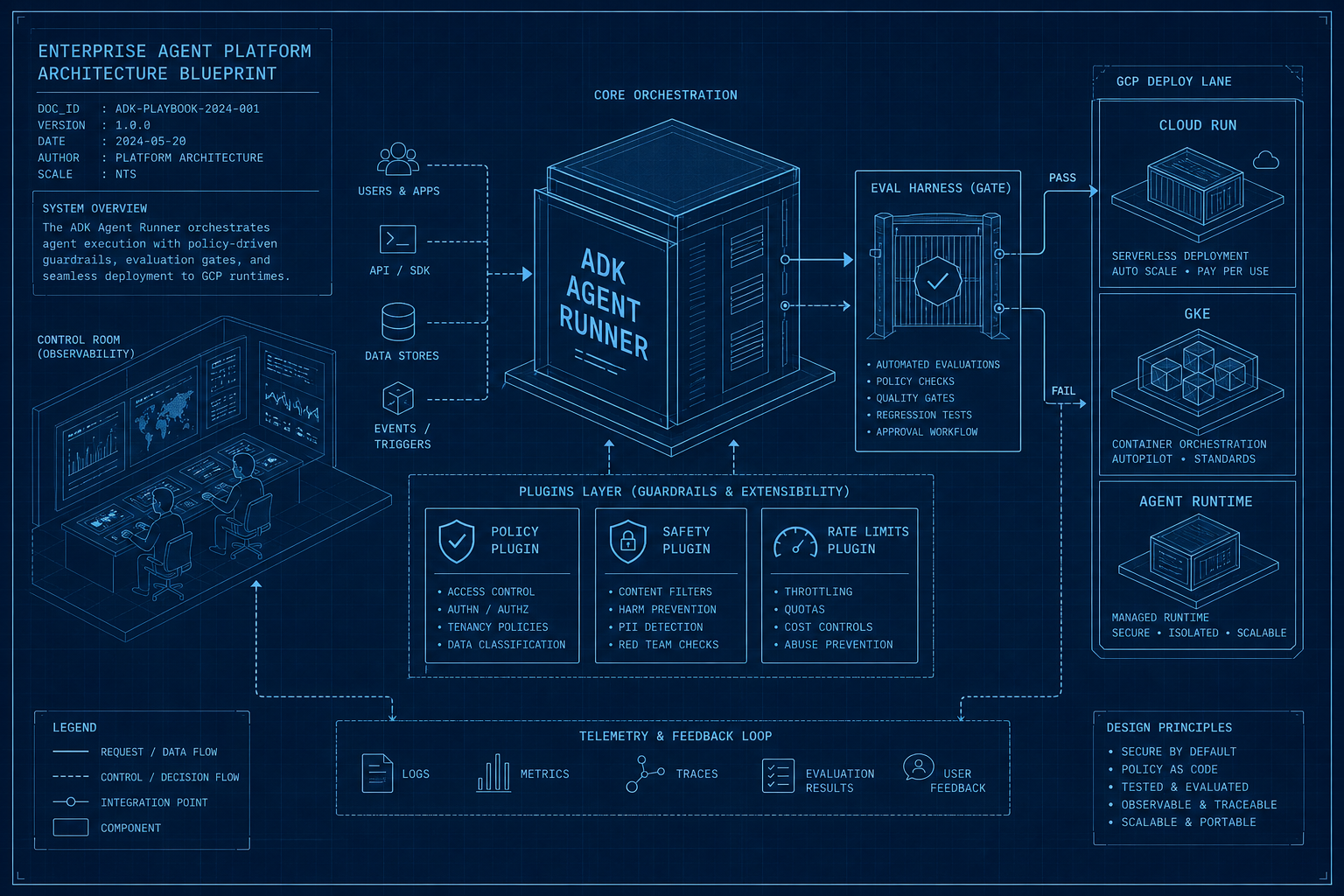
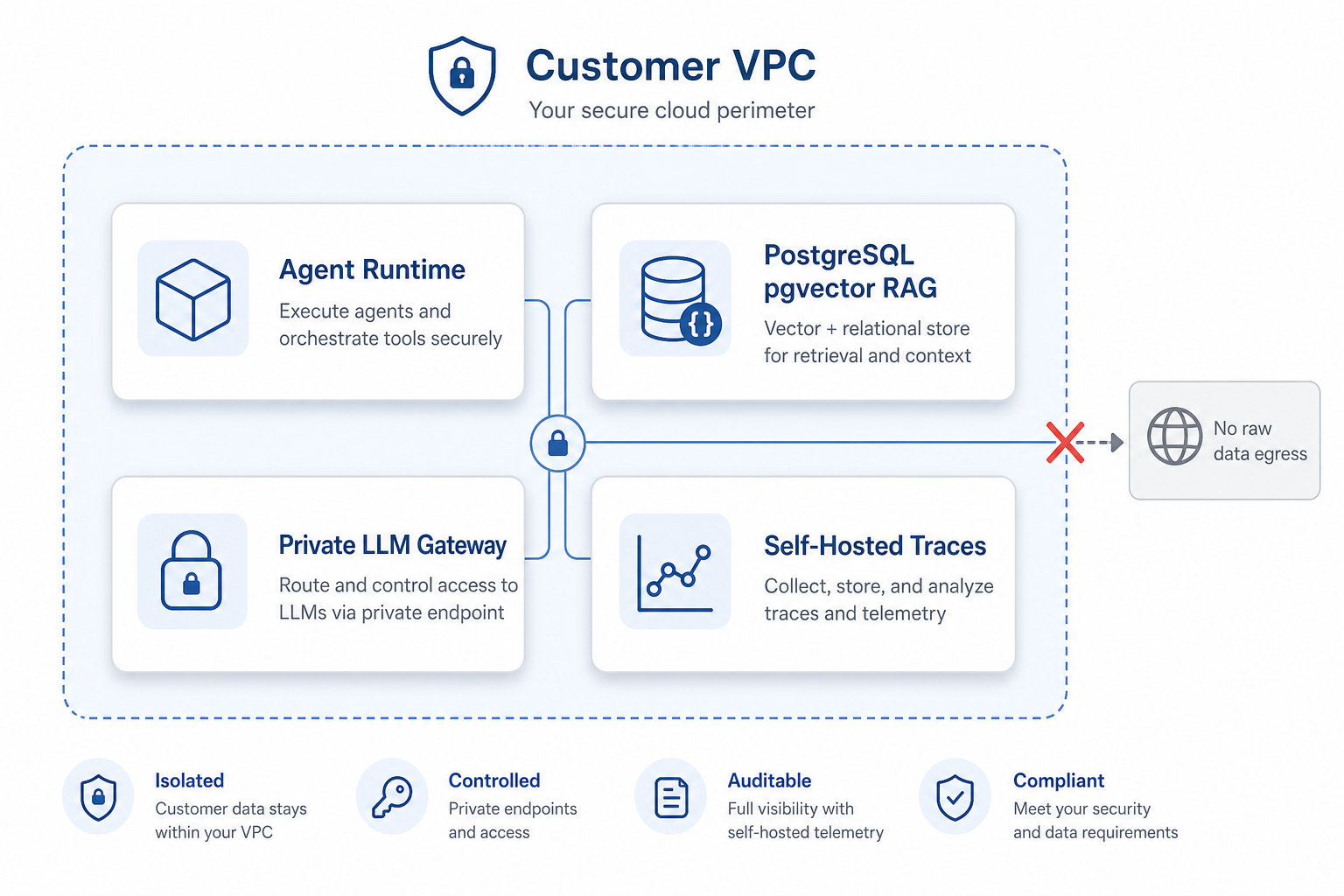
Self-hosted agents trade API convenience for data-plane control. For regulated industries that's not ideology; it's the only architecture legal will sign.

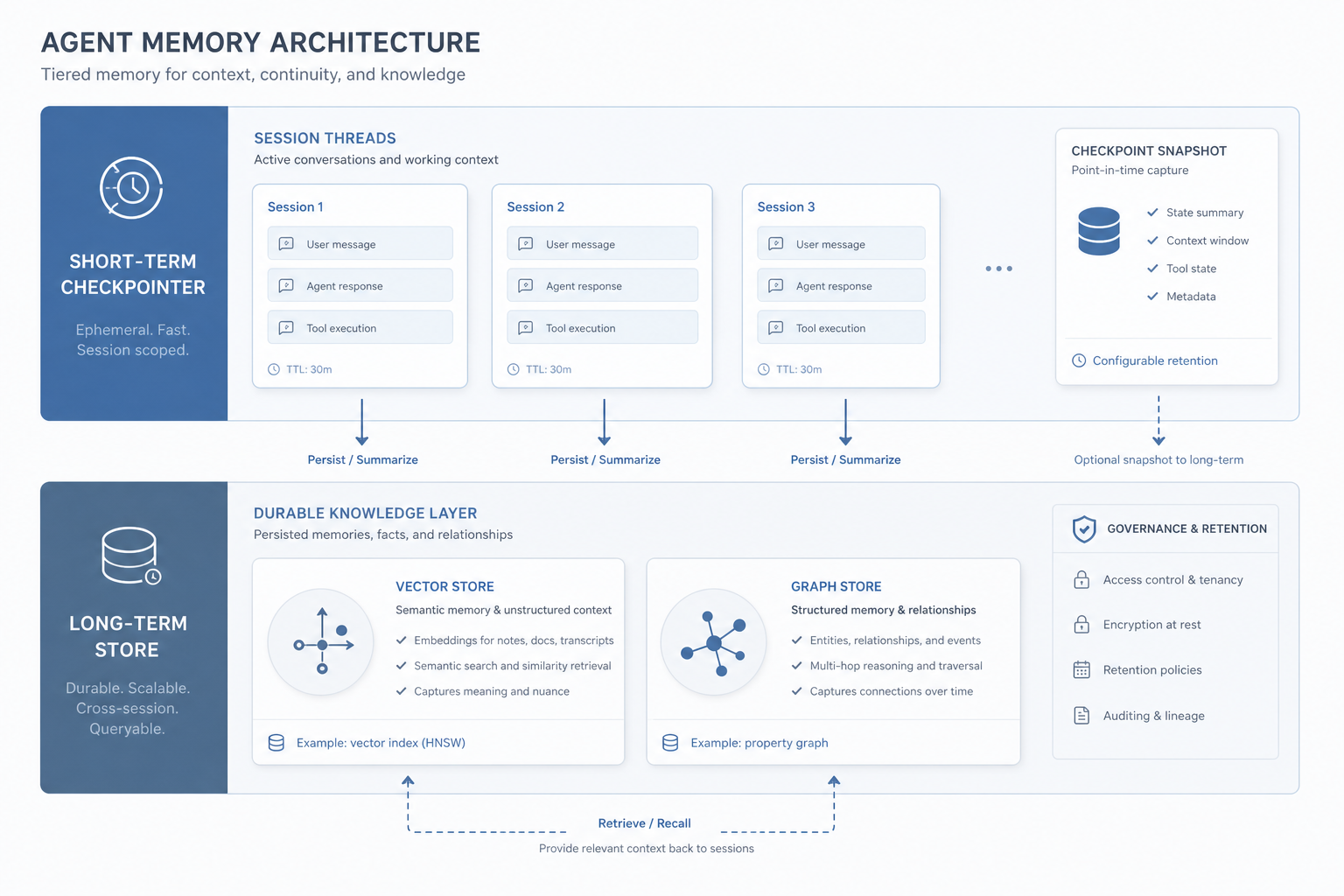
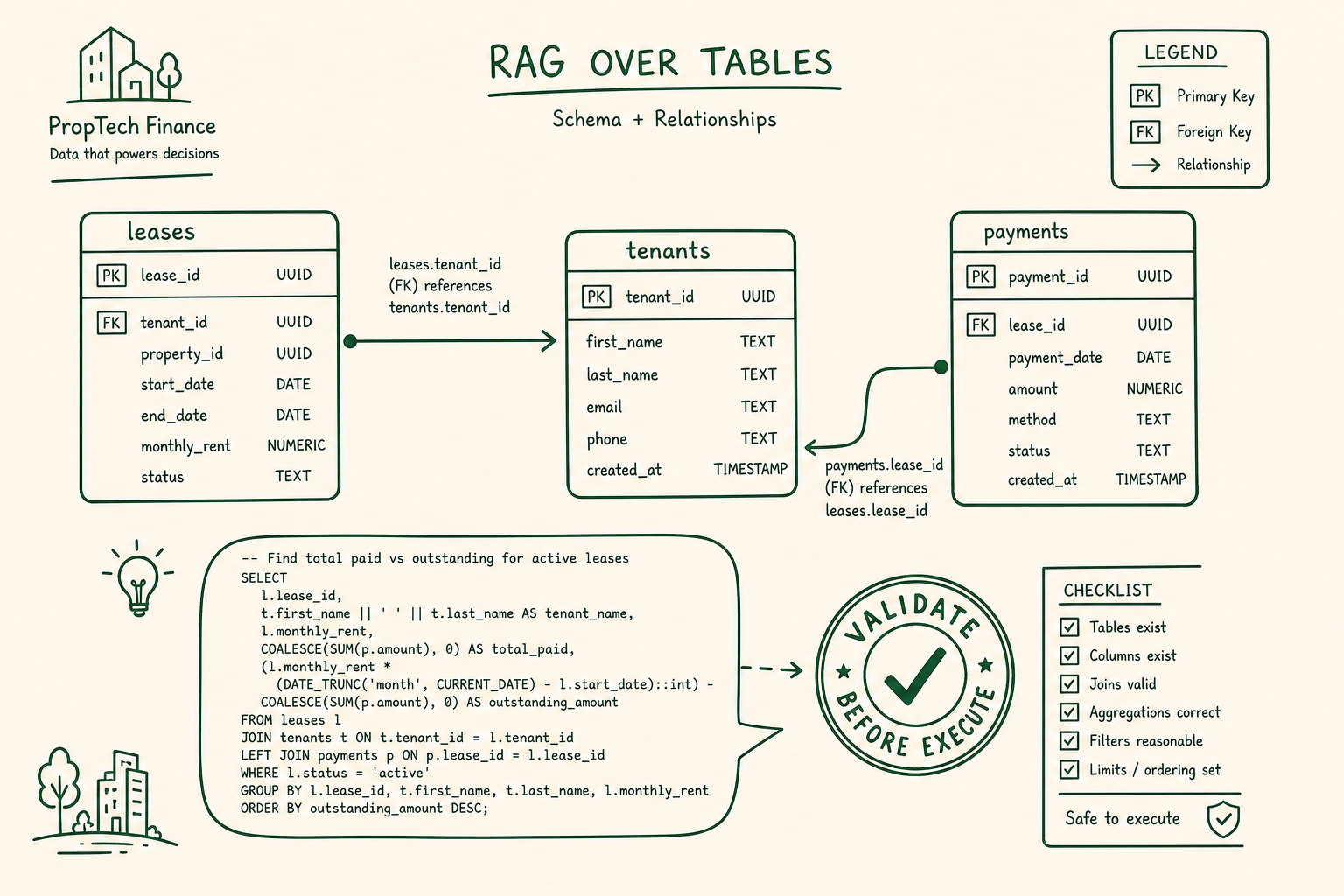
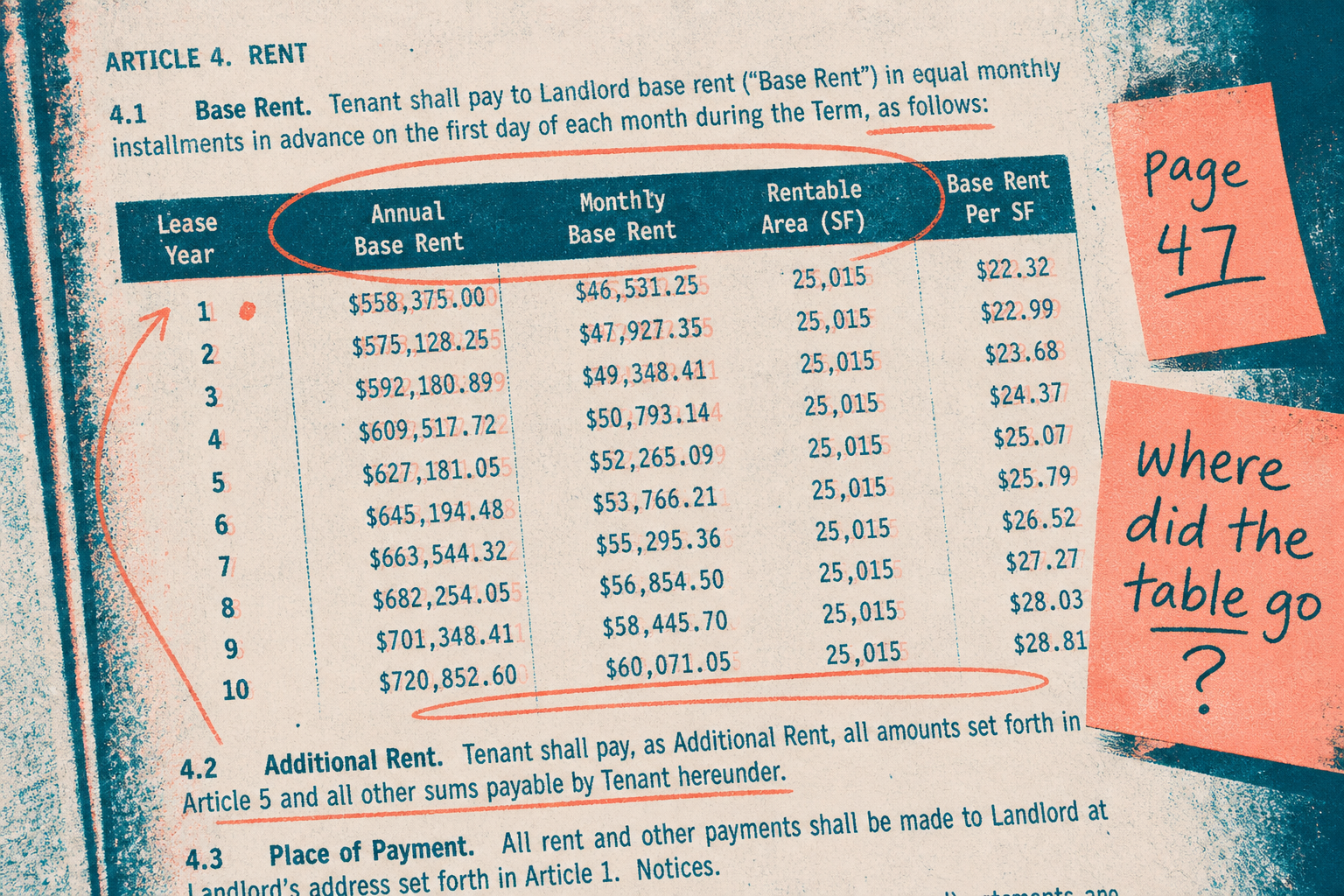
Tabular enterprise data needs schema-aware retrieval, SQL or semantic layers, and explicit join logic. Dumping rows into chunks and embedding them is why agents confidently cite the wrong quarter.


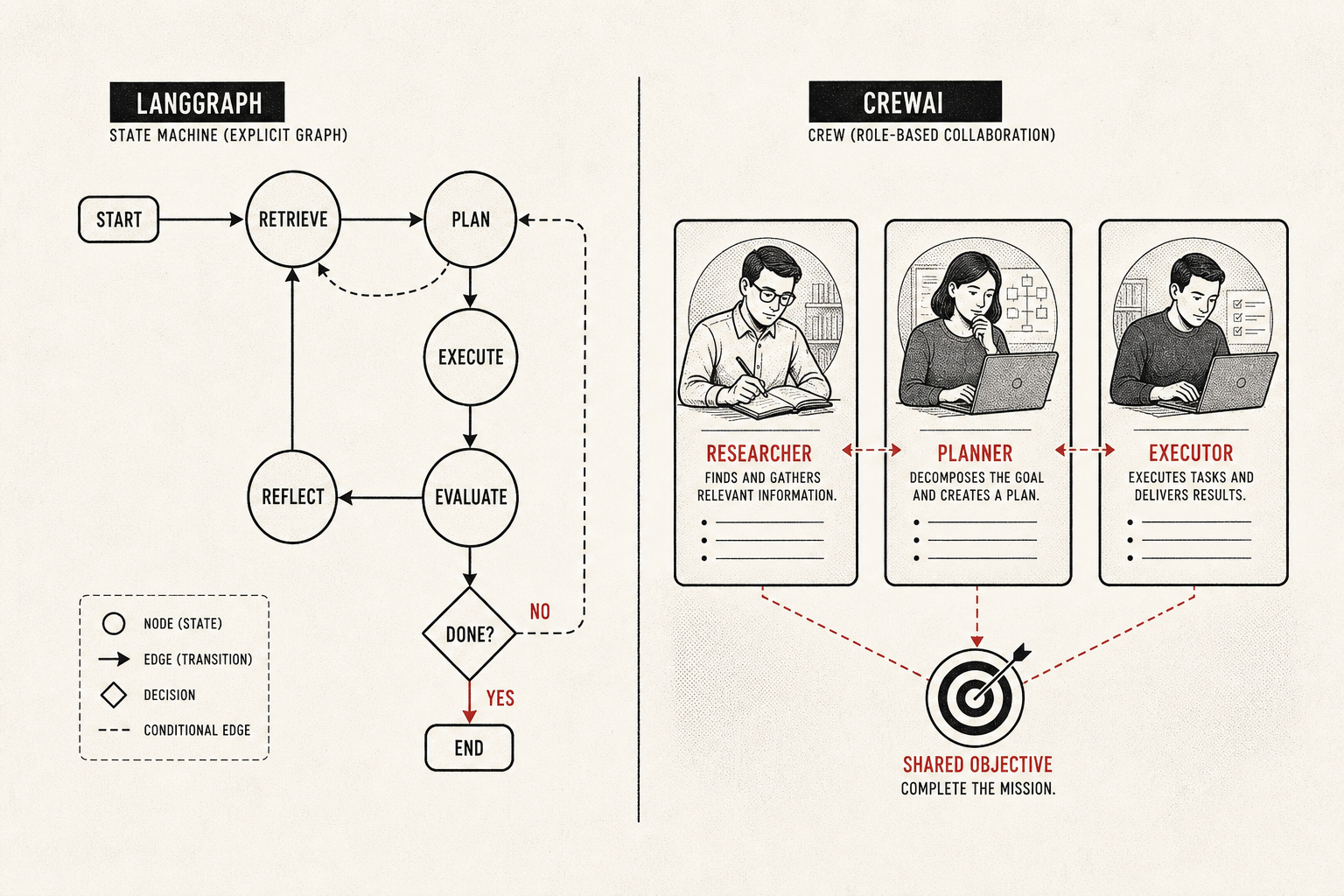
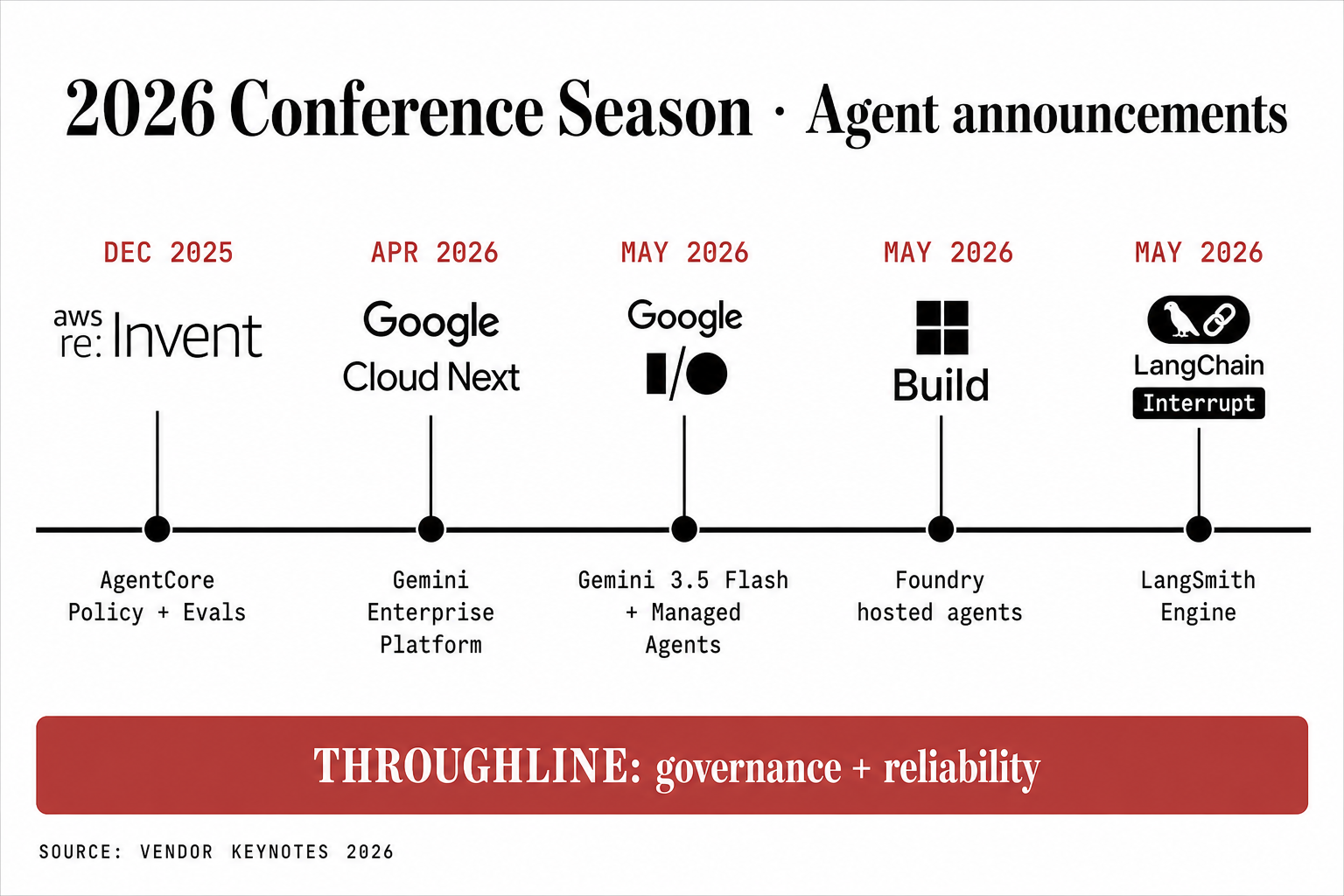
I/O, Cloud Next, Build, re:Invent, and Interrupt across one season. The throughline isn't a winning framework; it's that the whole industry quietly admitted reliability and governance are the unsolved part.


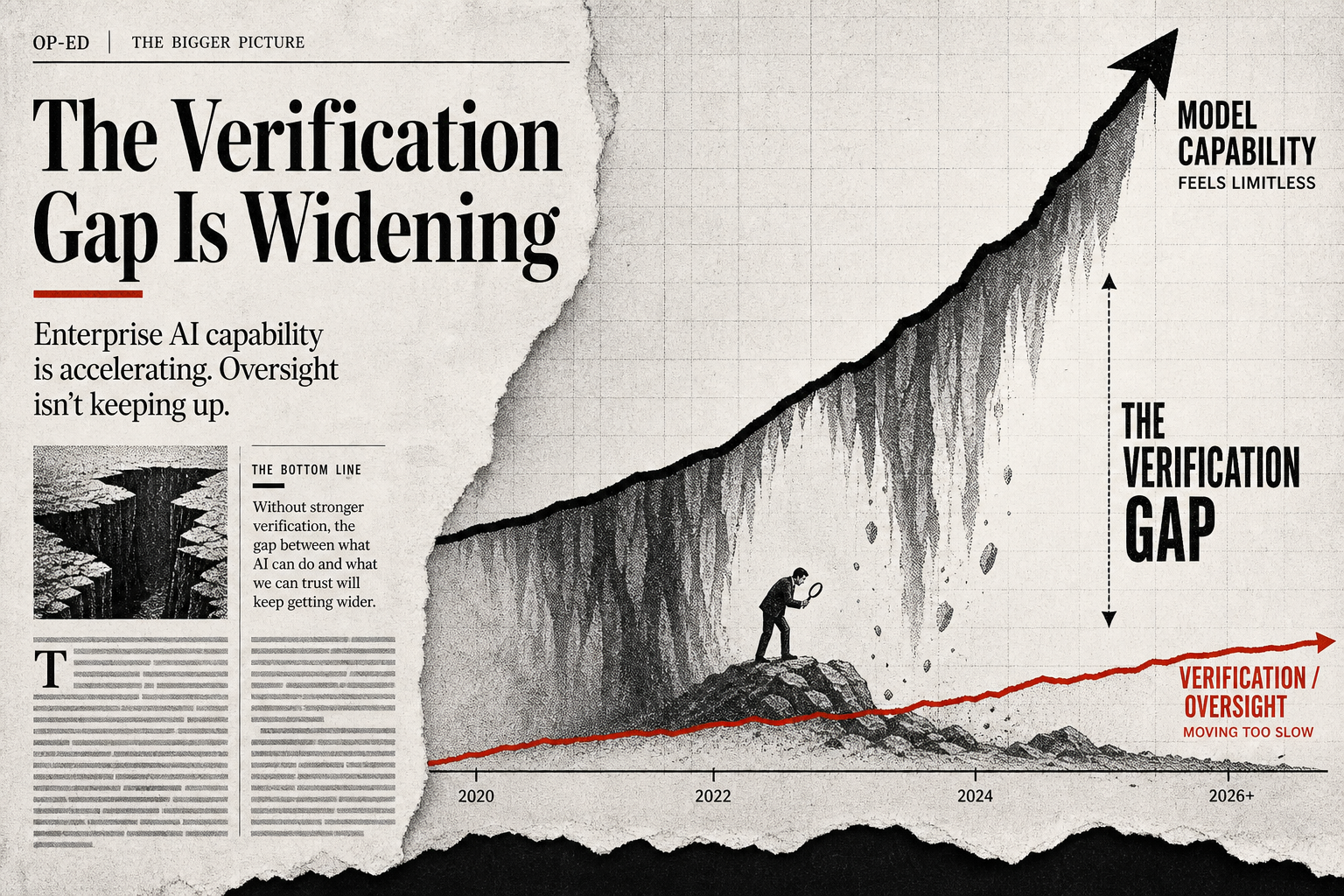
A three-person team ships production software no human writes or reviews. Down the hall, experienced developers get measurably slower with AI — and never notice. The distance between them is the most important gap in software, and no tool can close it.


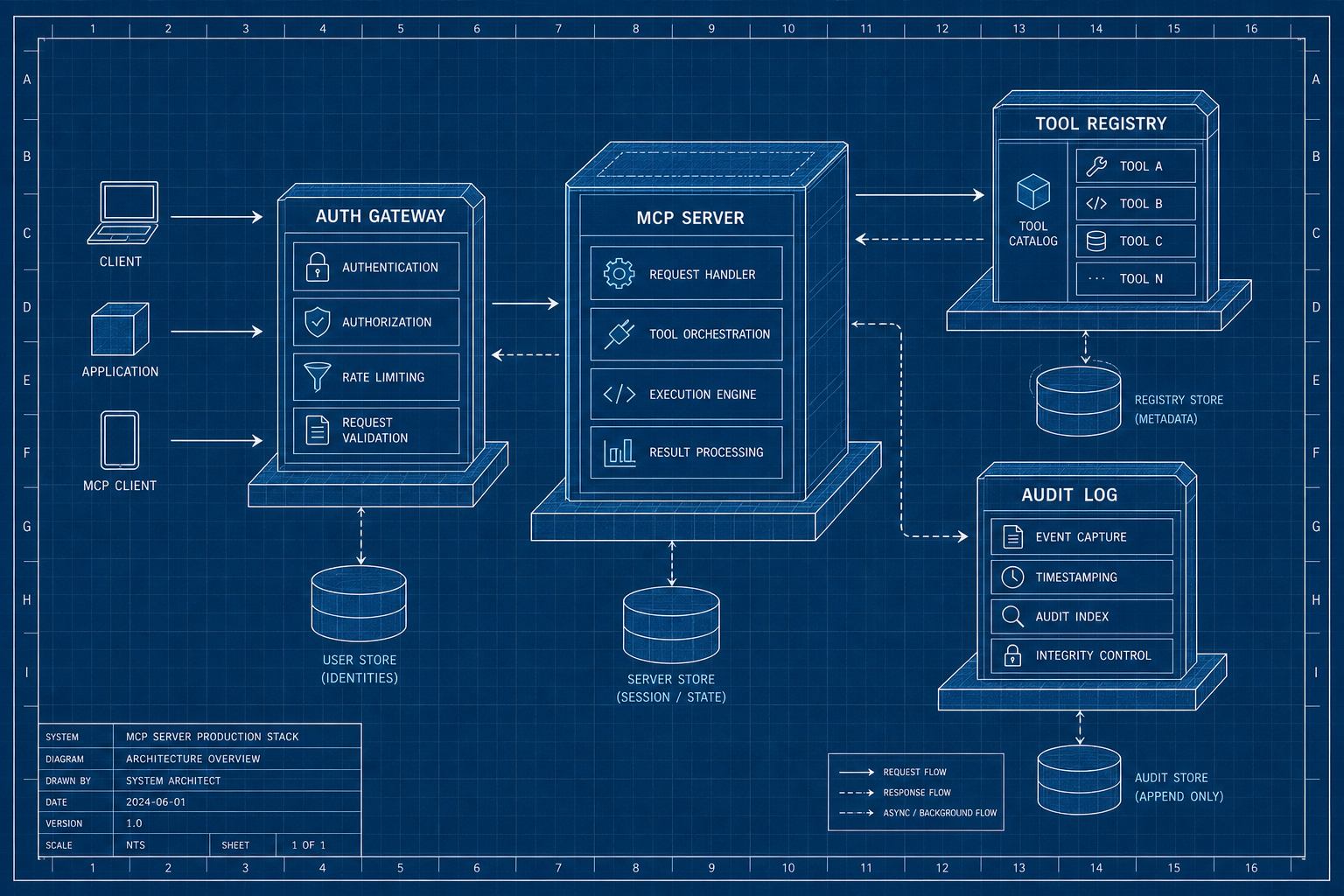
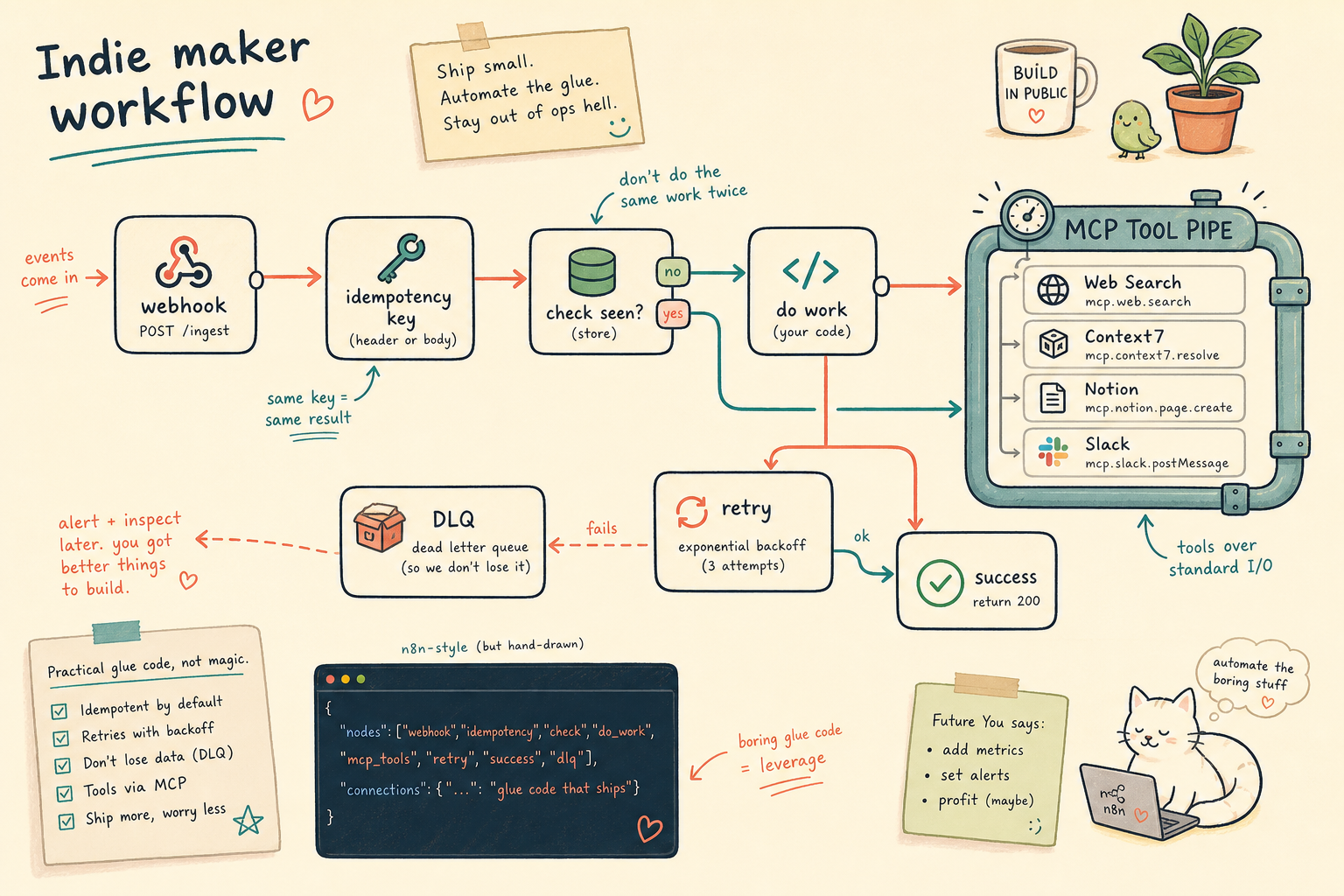
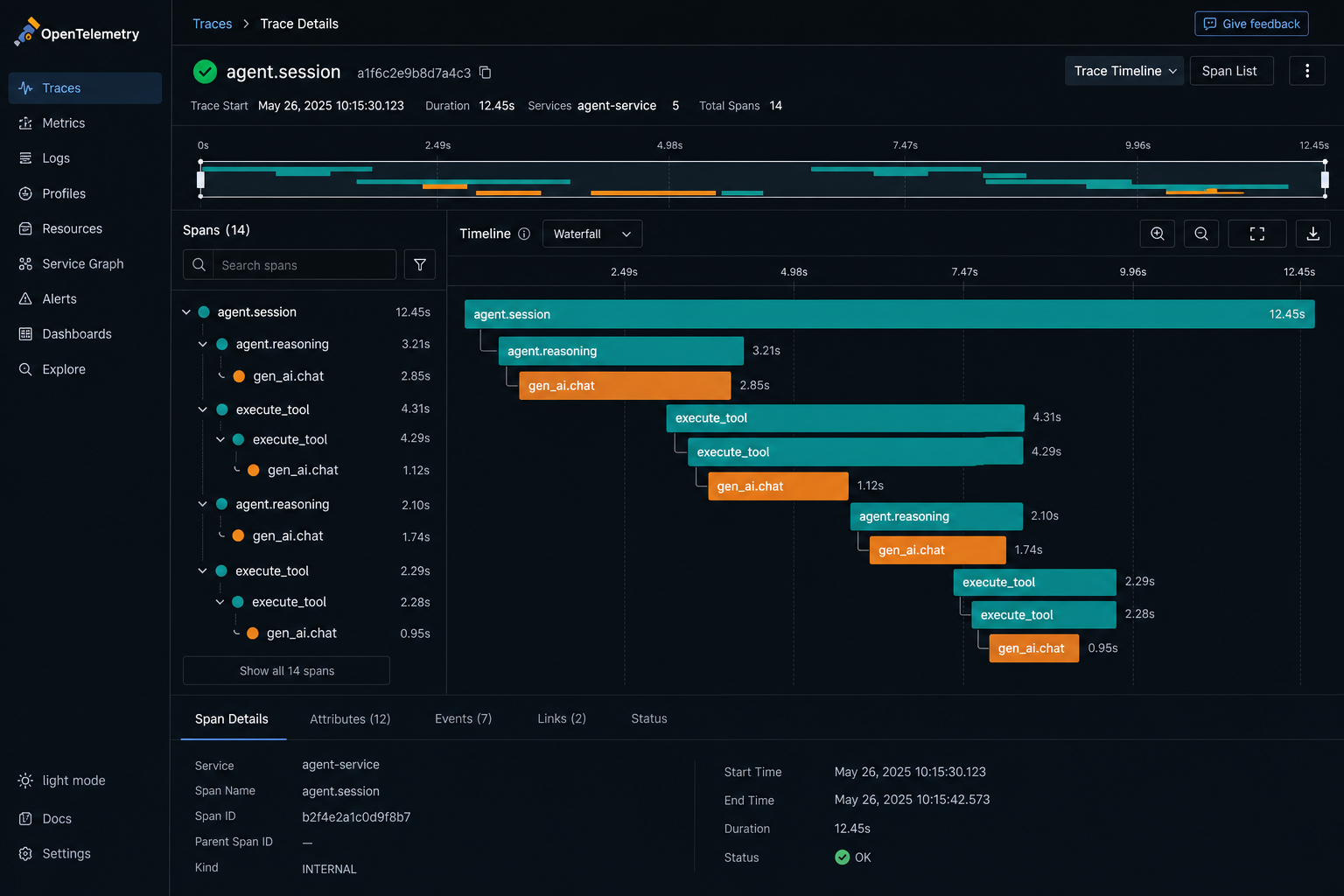
Model Context Protocol servers look simple in a tutorial. In enterprise they need auth boundaries, schema versioning, blast-radius limits, and observability. Otherwise they become your next outage.
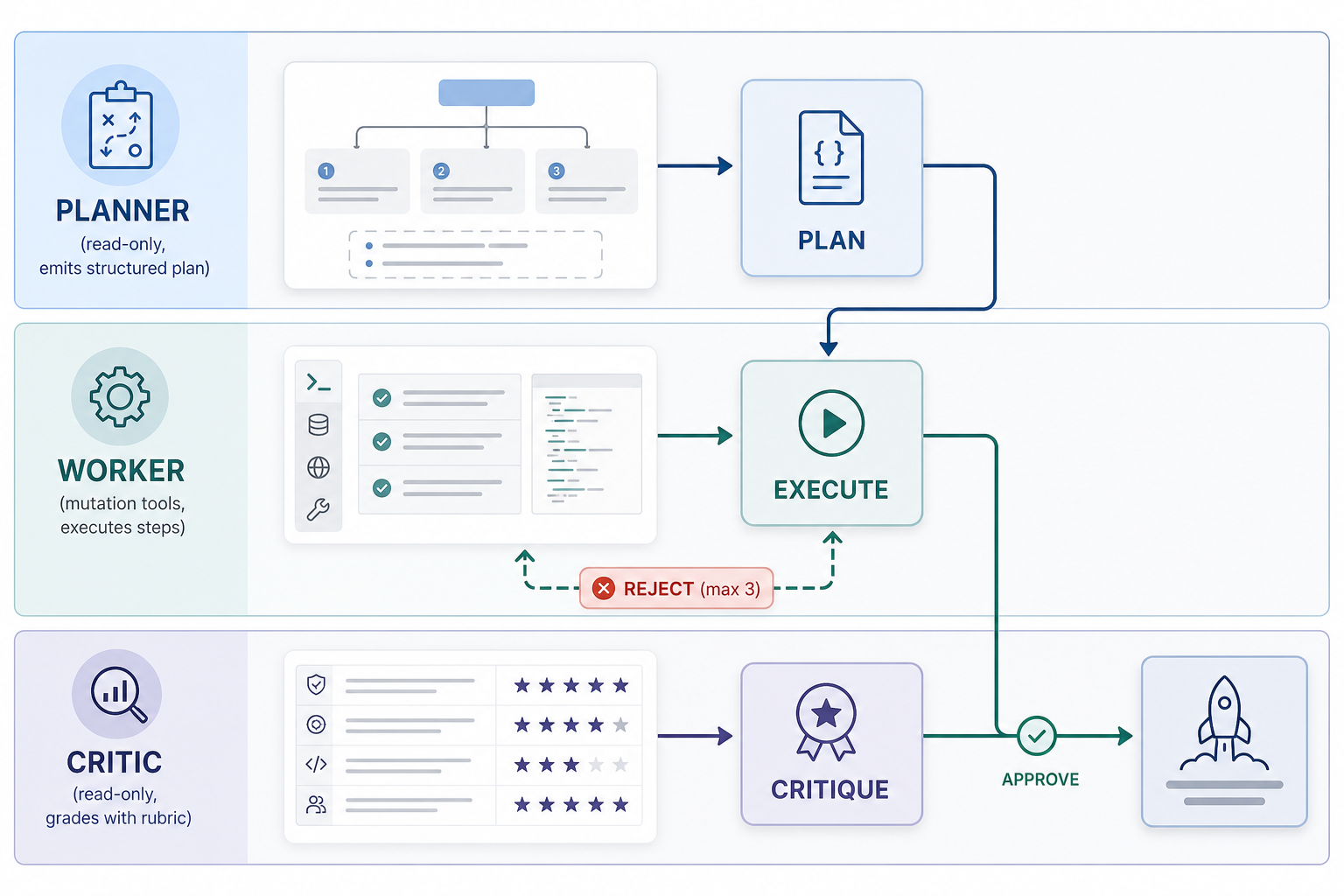
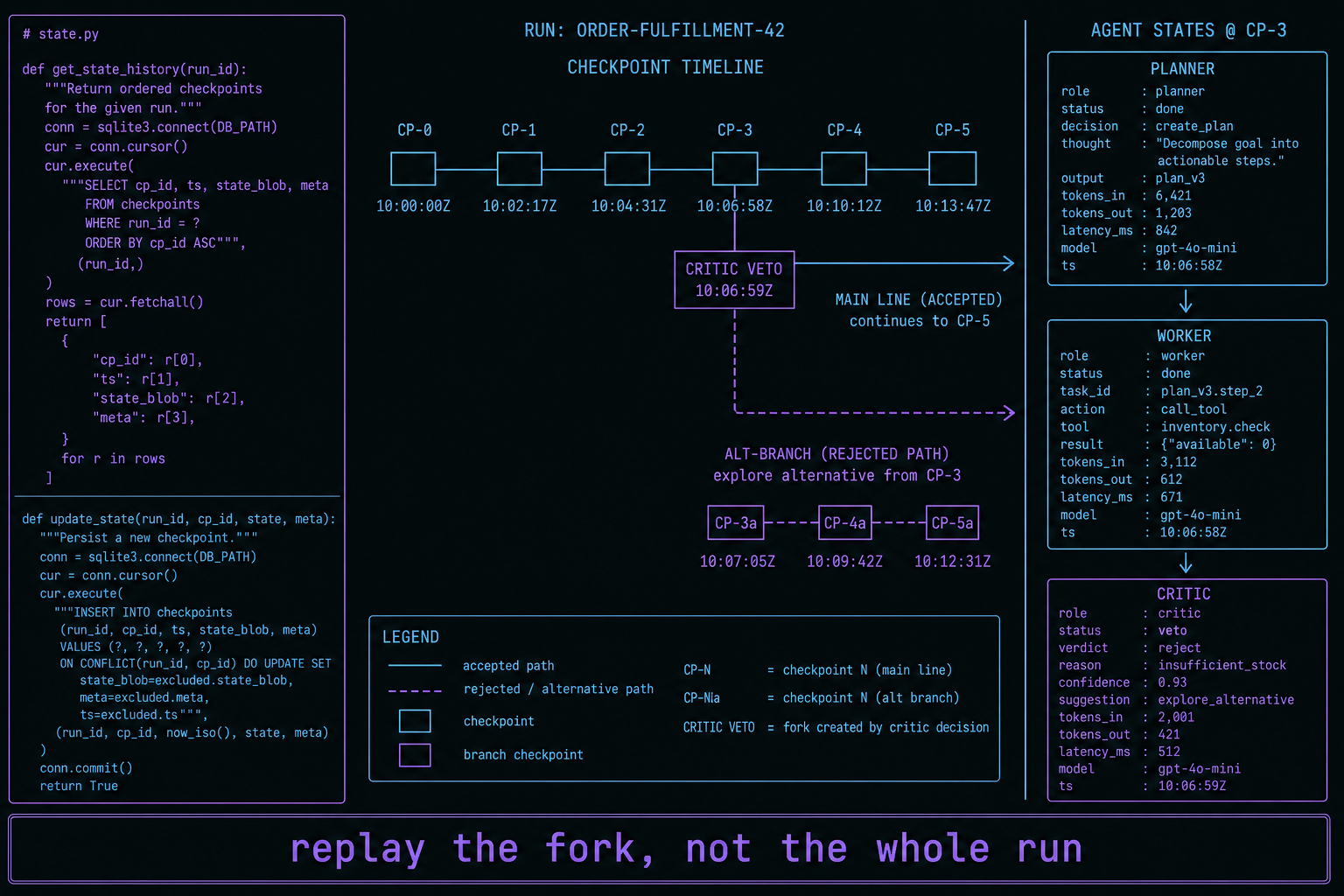
Generation is solved. The bottleneck is judgment — and the specific, learnable, scalable form of judgment is saying no to confident AI output, and knowing exactly why. Most teams let every one of those noes fall on the floor.

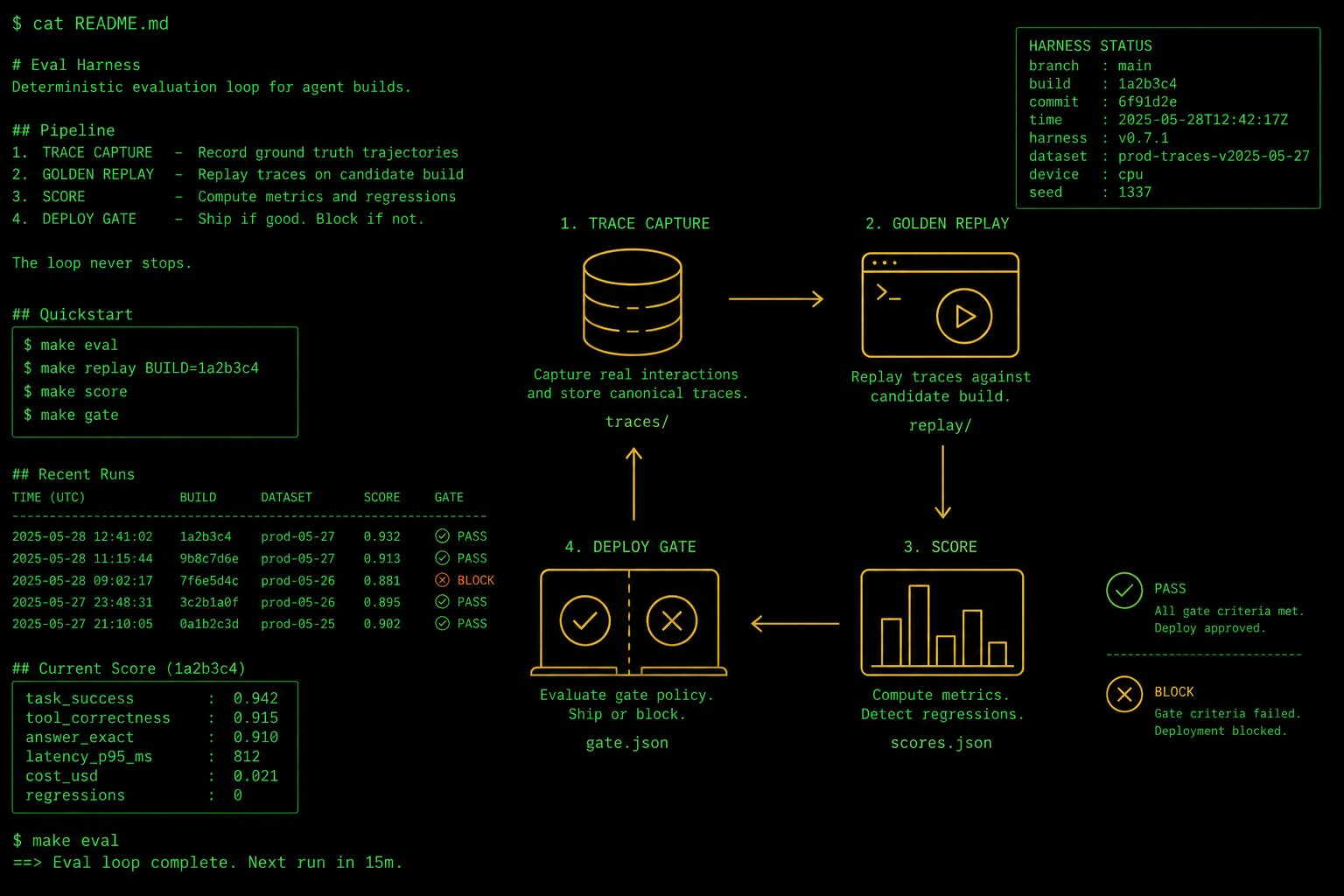
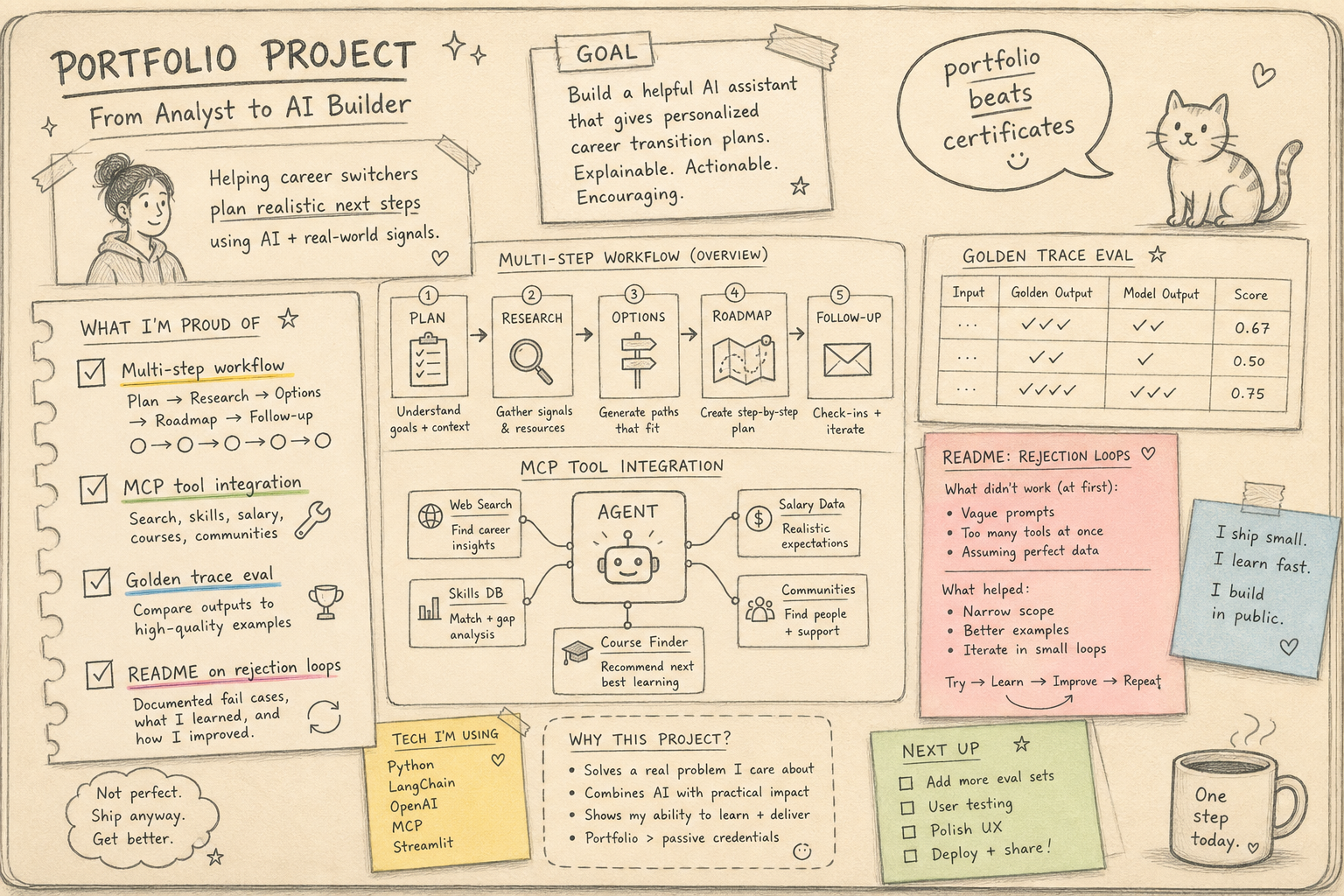
Hiring managers don't want another prompt course. They want evidence you can orchestrate rejection loops: eval harnesses, critic gates, and shipped agent workflows in public.