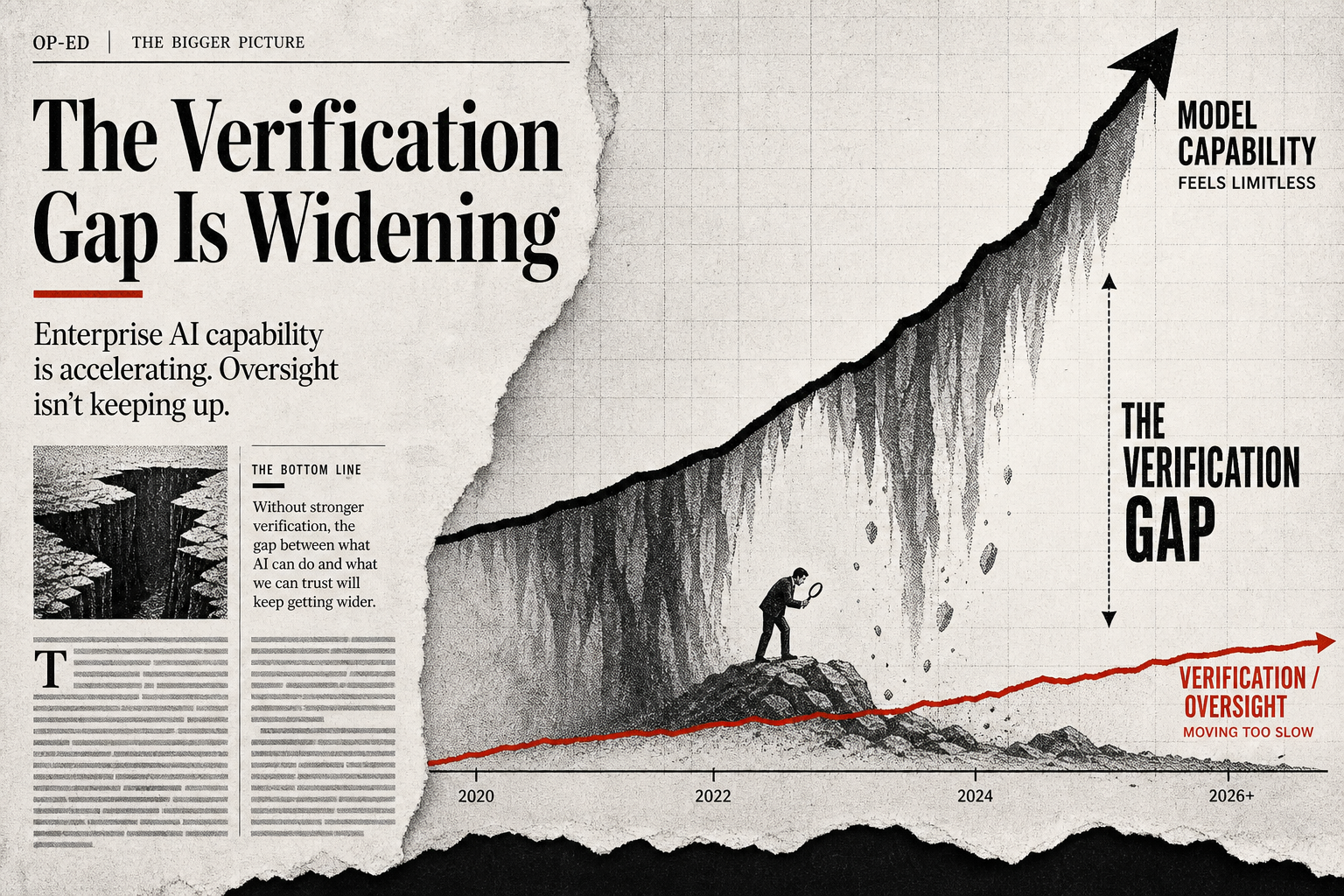
Better models widen the gap faster than value.
Every frontier jump improves generation faster than most teams improve verification. Enterprise risk compounds silently: more output, same taste perimeter.
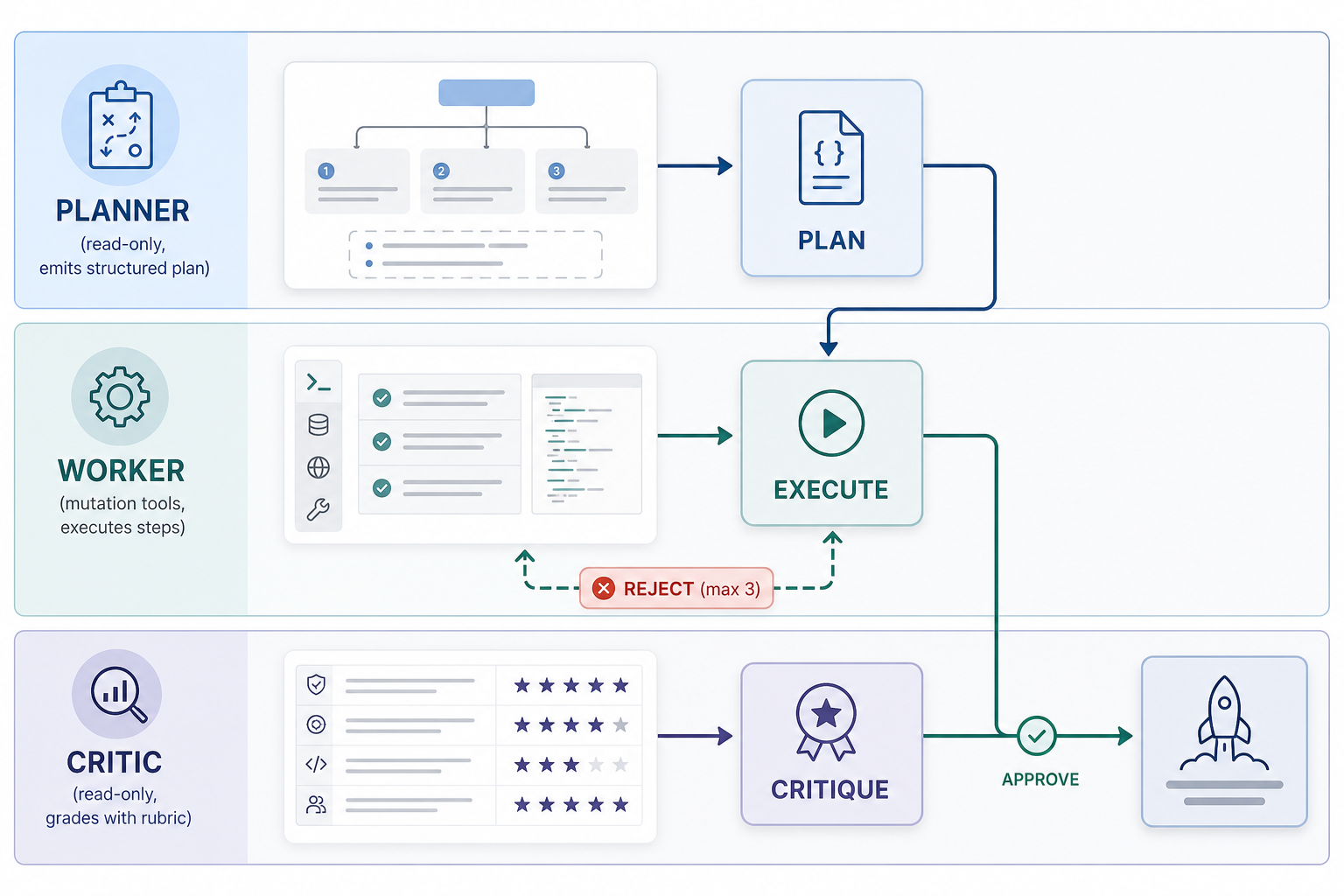
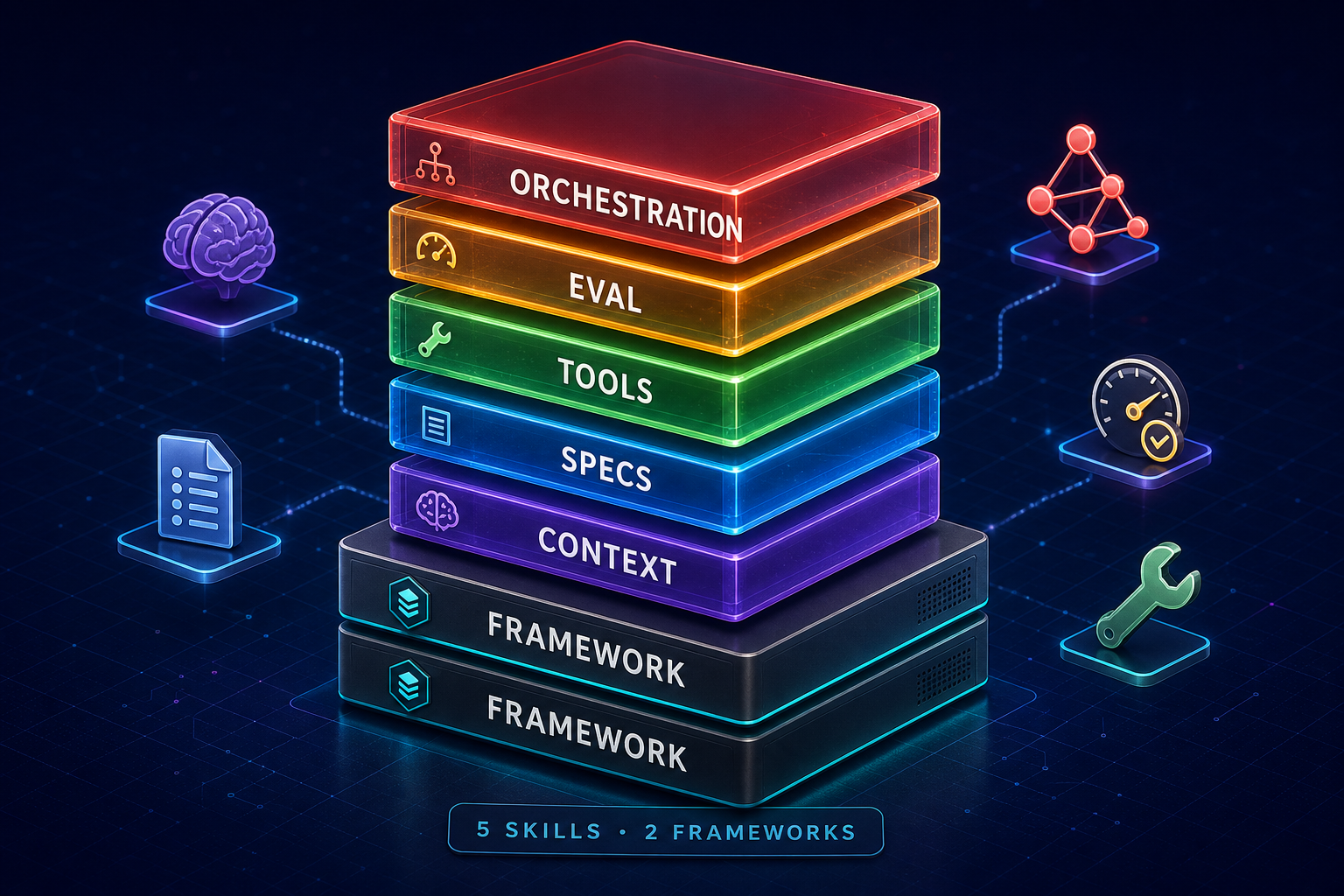
Letting agents riff produces great demos and terrible audits. Explicit planner–worker–critic loops encode rejection at the orchestration layer. The same move as scaling-your-no, but structural.
A three-person team ships production software no human writes or reviews. Down the hall, experienced developers get measurably slower with AI, and never notice. The distance between them is the most important gap in software, and no tool can close it.
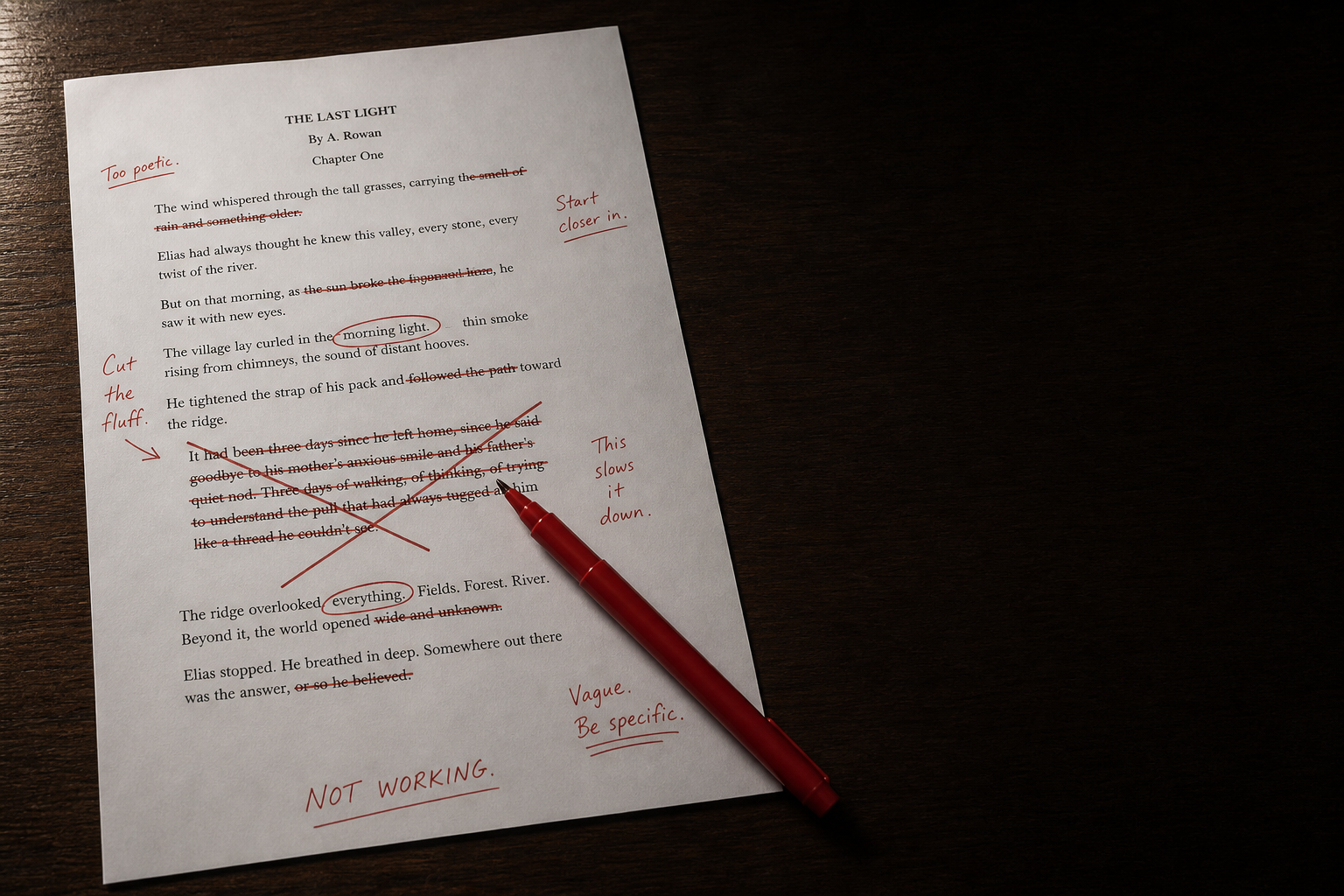
Generation is solved. The bottleneck is judgment, and the specific, learnable, scalable form of judgment is saying no to confident AI output, and knowing exactly why. Most teams let every one of those noes fall on the floor.
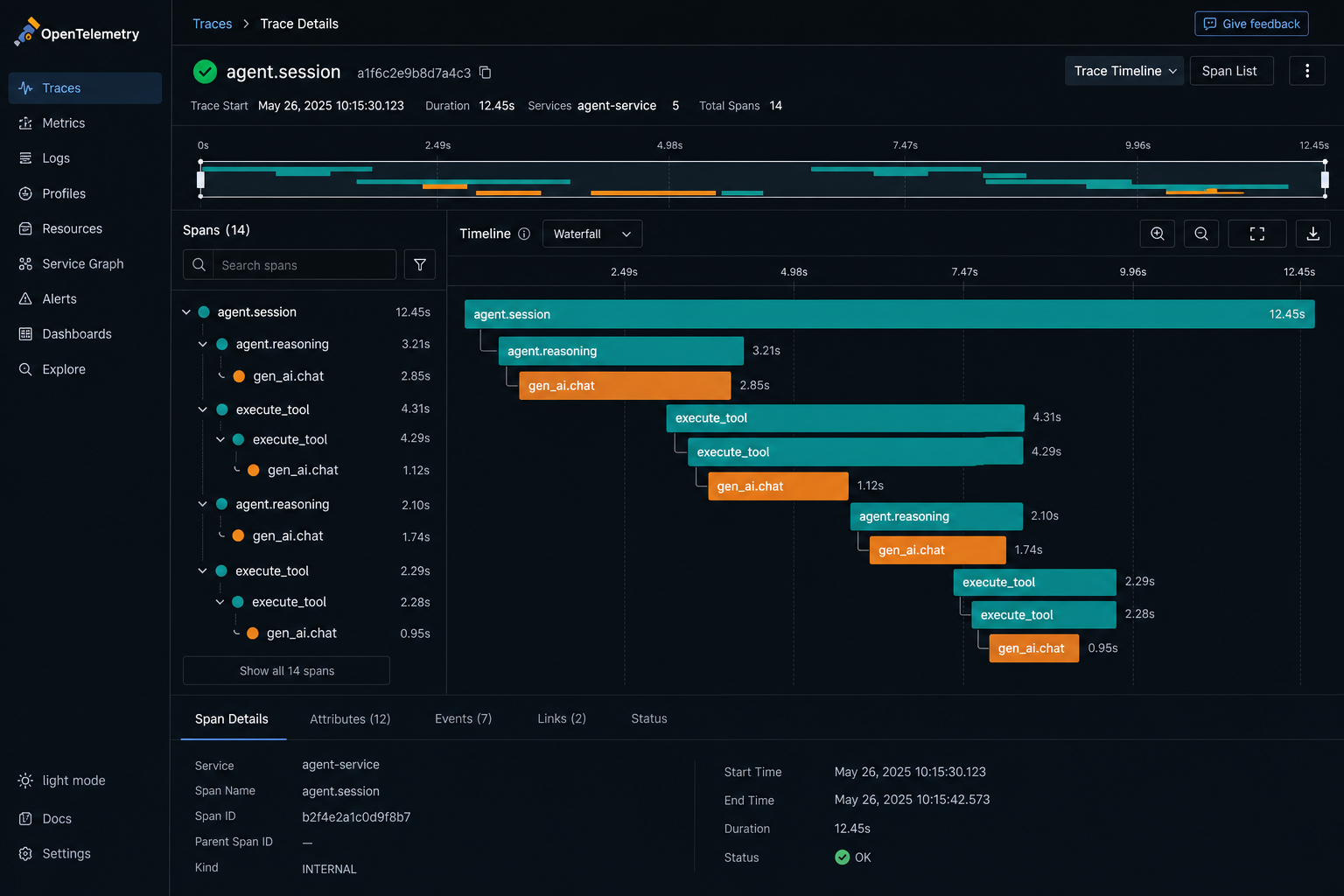
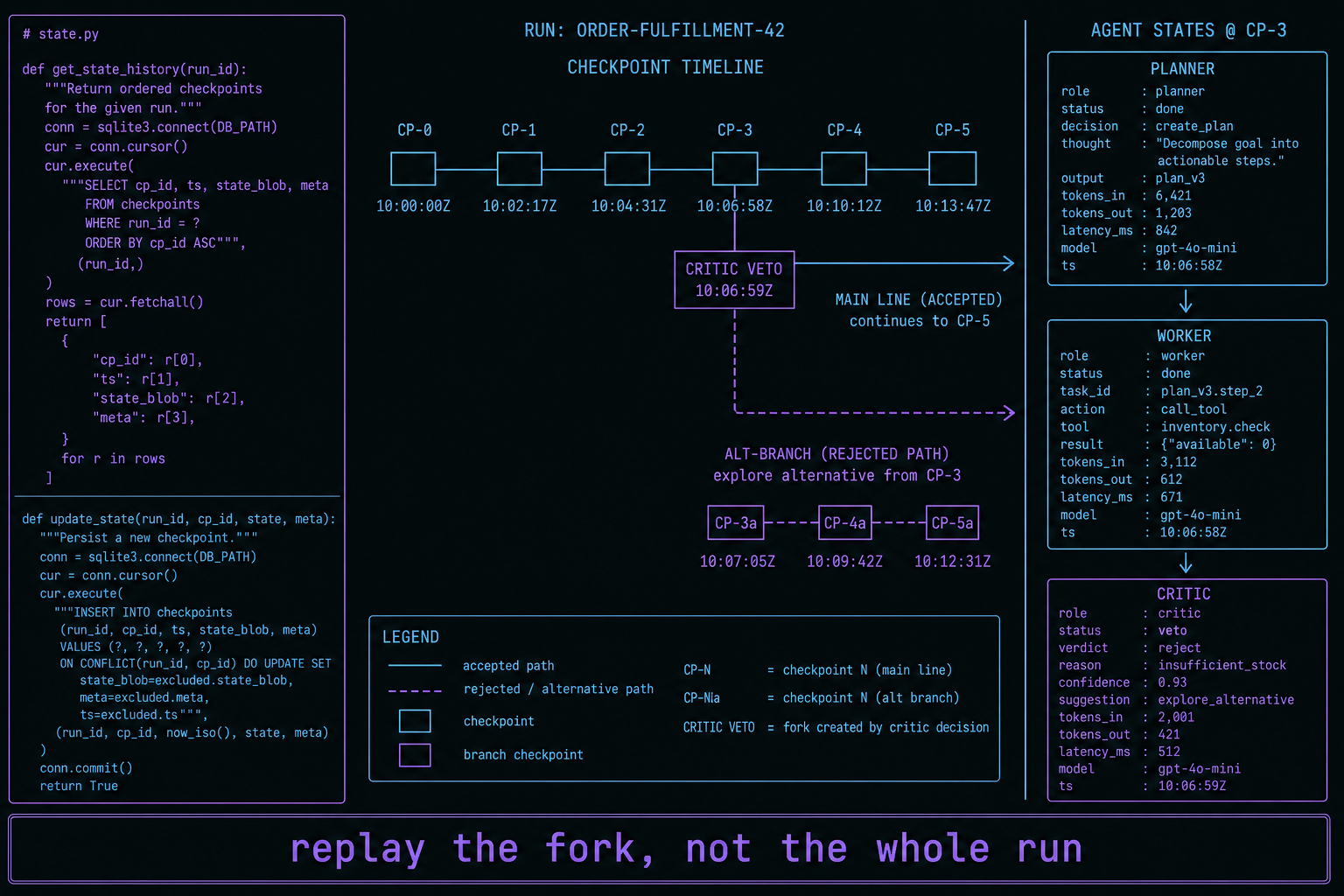
Agent observability needs span-level tool attribution, critic decisions, and replayable traces, not aggregate token dashboards that hide the fork where everything went wrong.
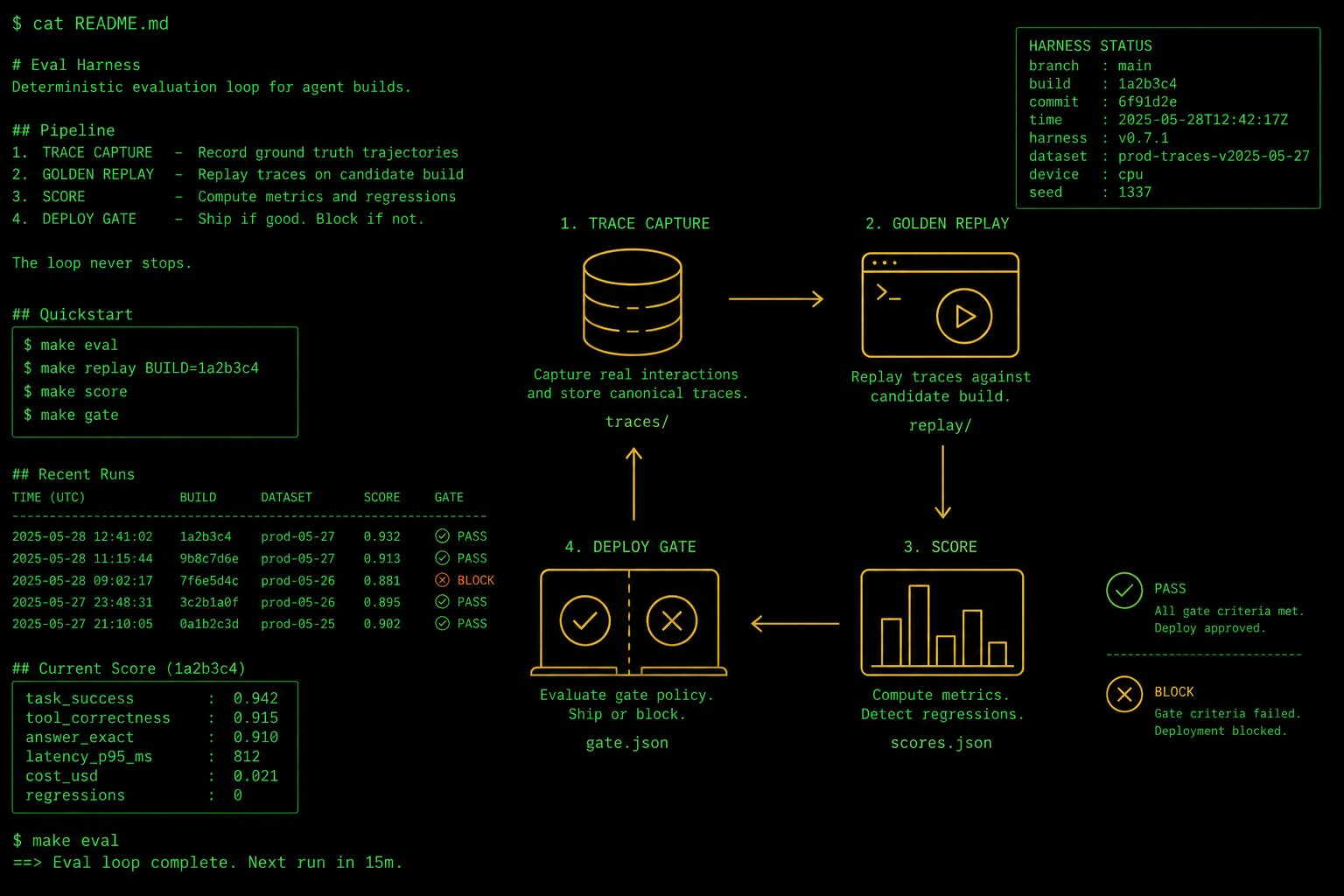
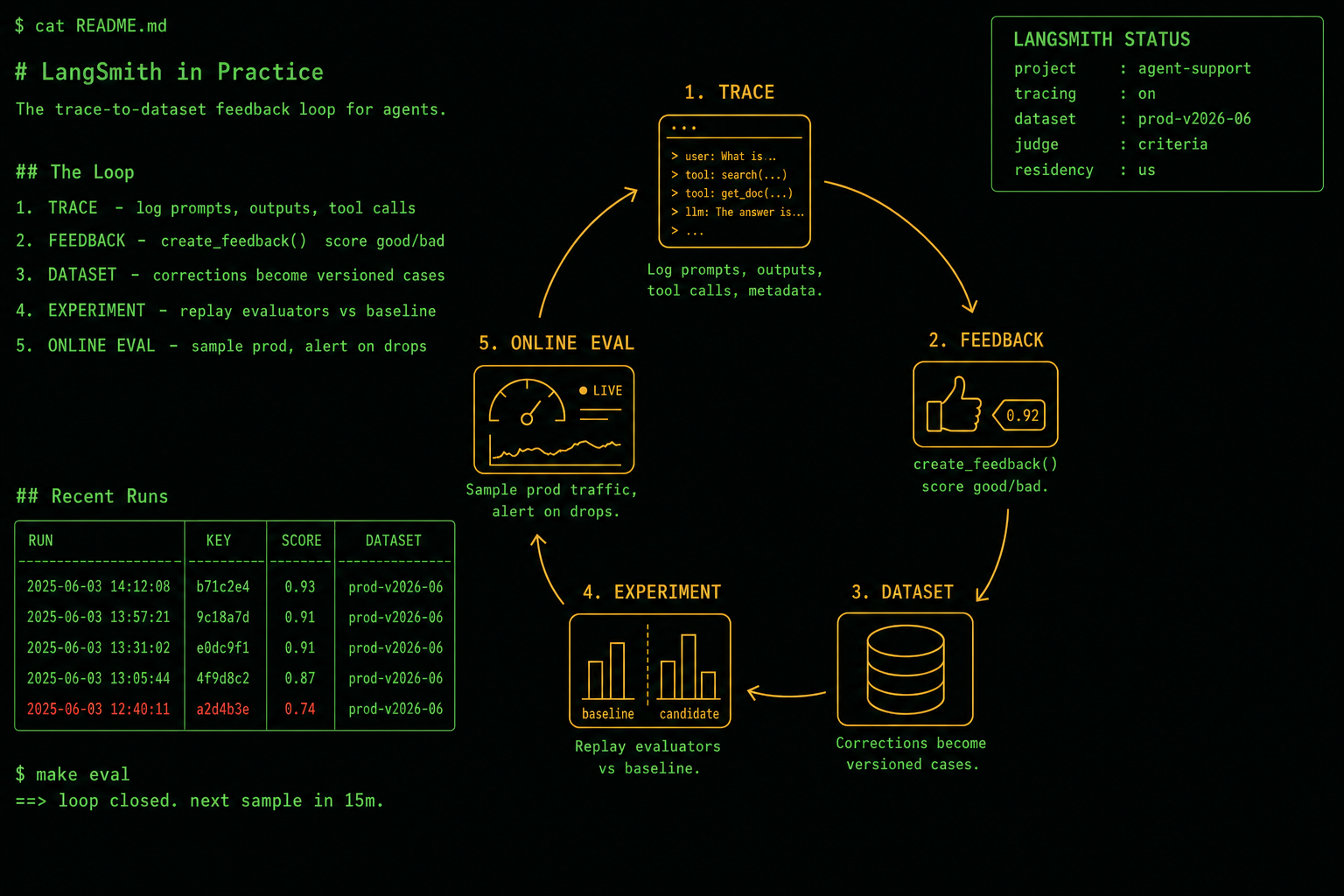
LangSmith gives you tracing, datasets, and online evals out of the box. The teams that get value wire production failures back into golden datasets. Here's the loop, end to end.
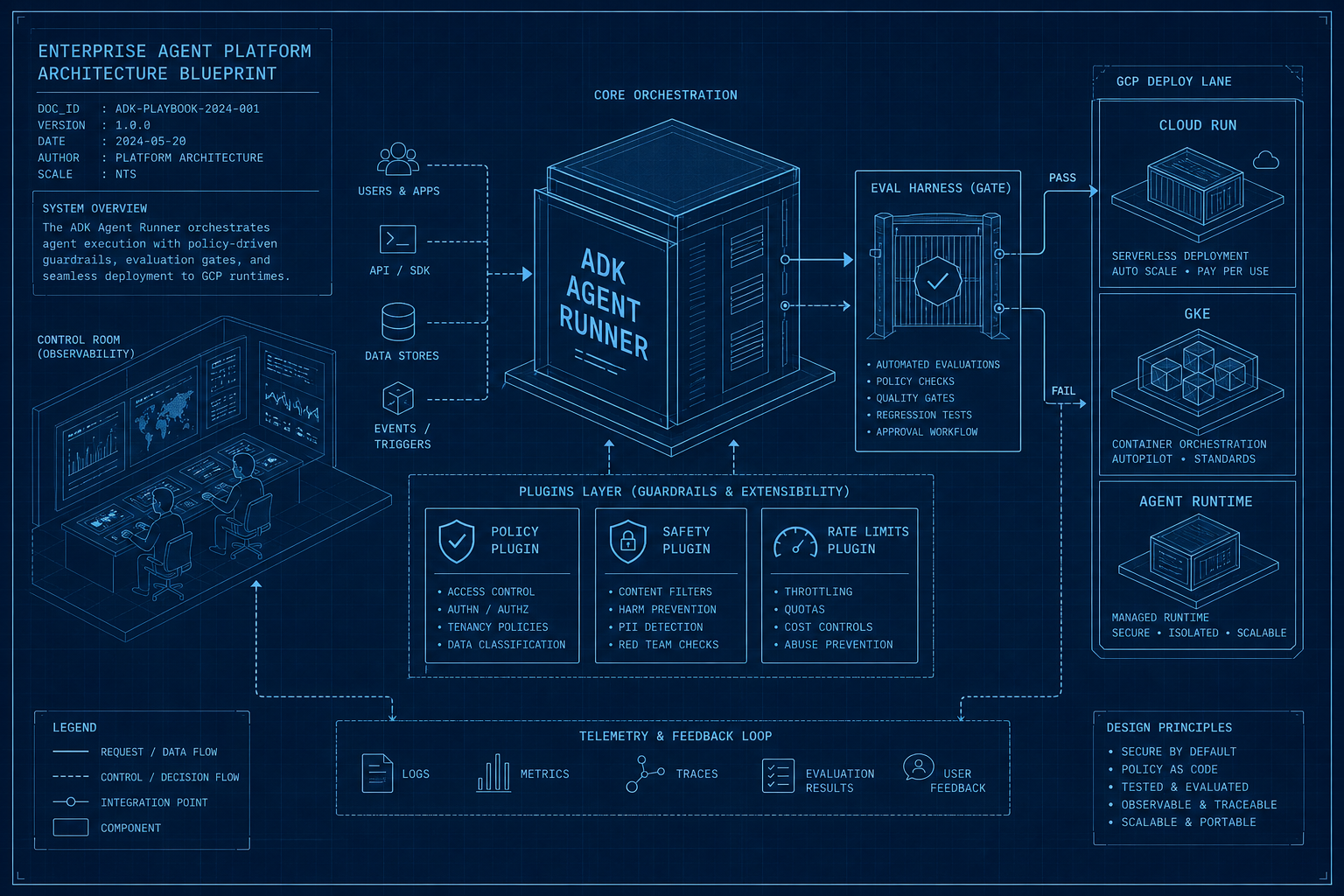
ADK makes sense when you're already in Google Cloud and need governed agent deployment. The playbook isn't learning the SDK; it's eval gates, IAM boundaries, and critic loops.
Multi-agent bugs look like model failures but they're state-machine failures. The fix is replaying the critic's last rejection and finding the fork, not re-prompting the worker.
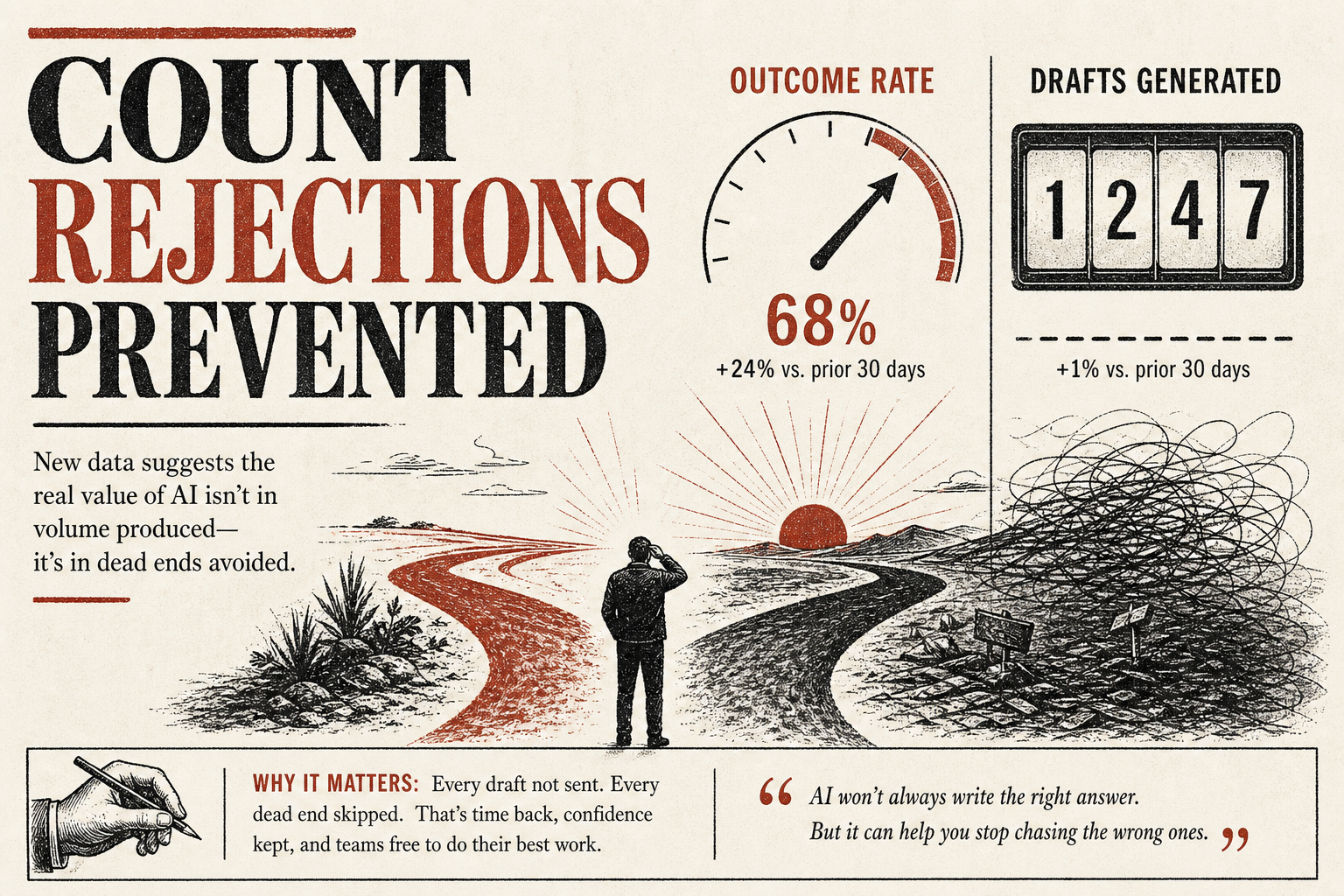
Stakeholders ask for 'productivity gains.' The honest metric is bad outputs caught before they ship: encoded judgment, not word count.
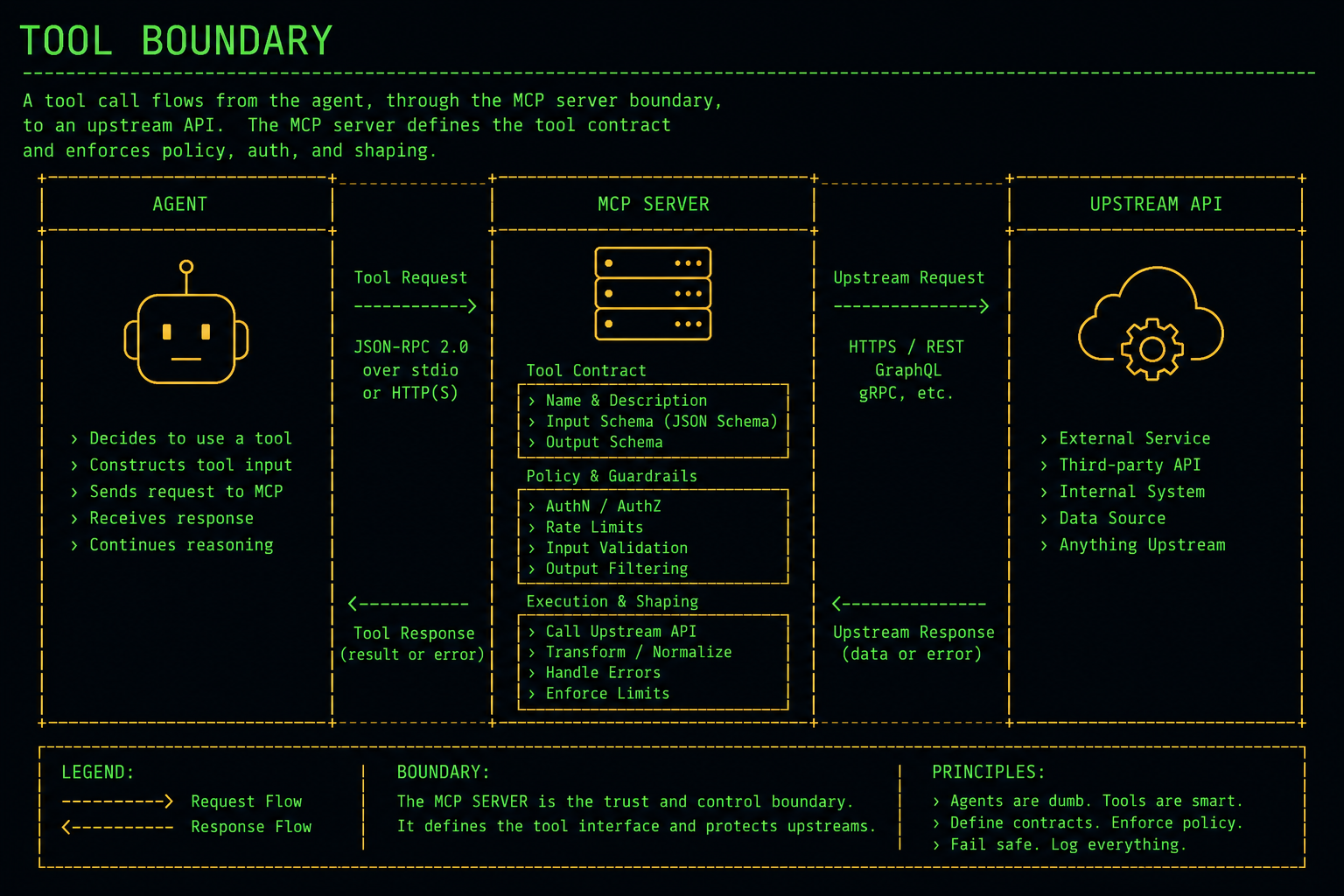
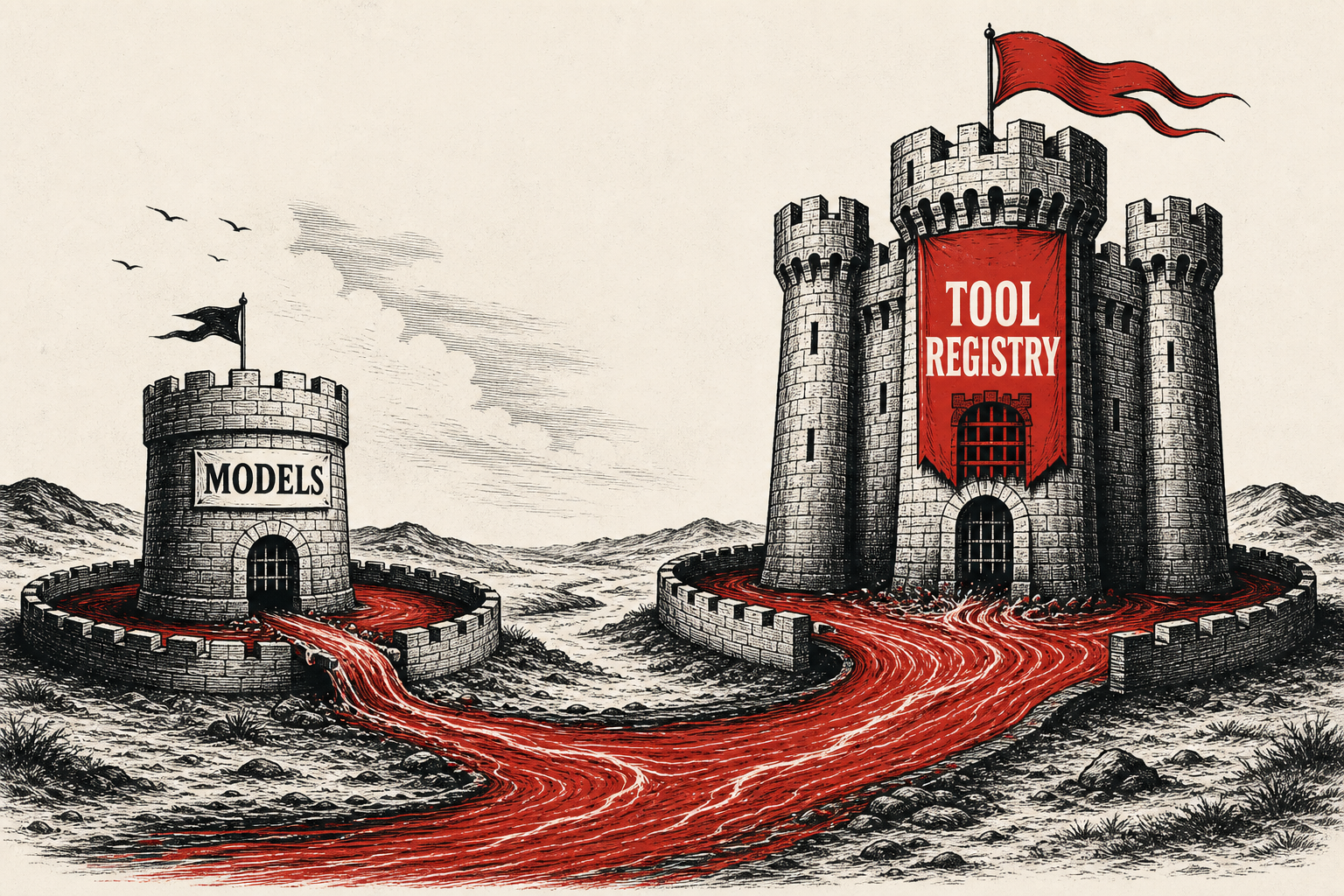
MCP standardization is real, but so is registry sprawl. The enterprise risk isn't picking the wrong model. It's building on a tool catalog you don't control.