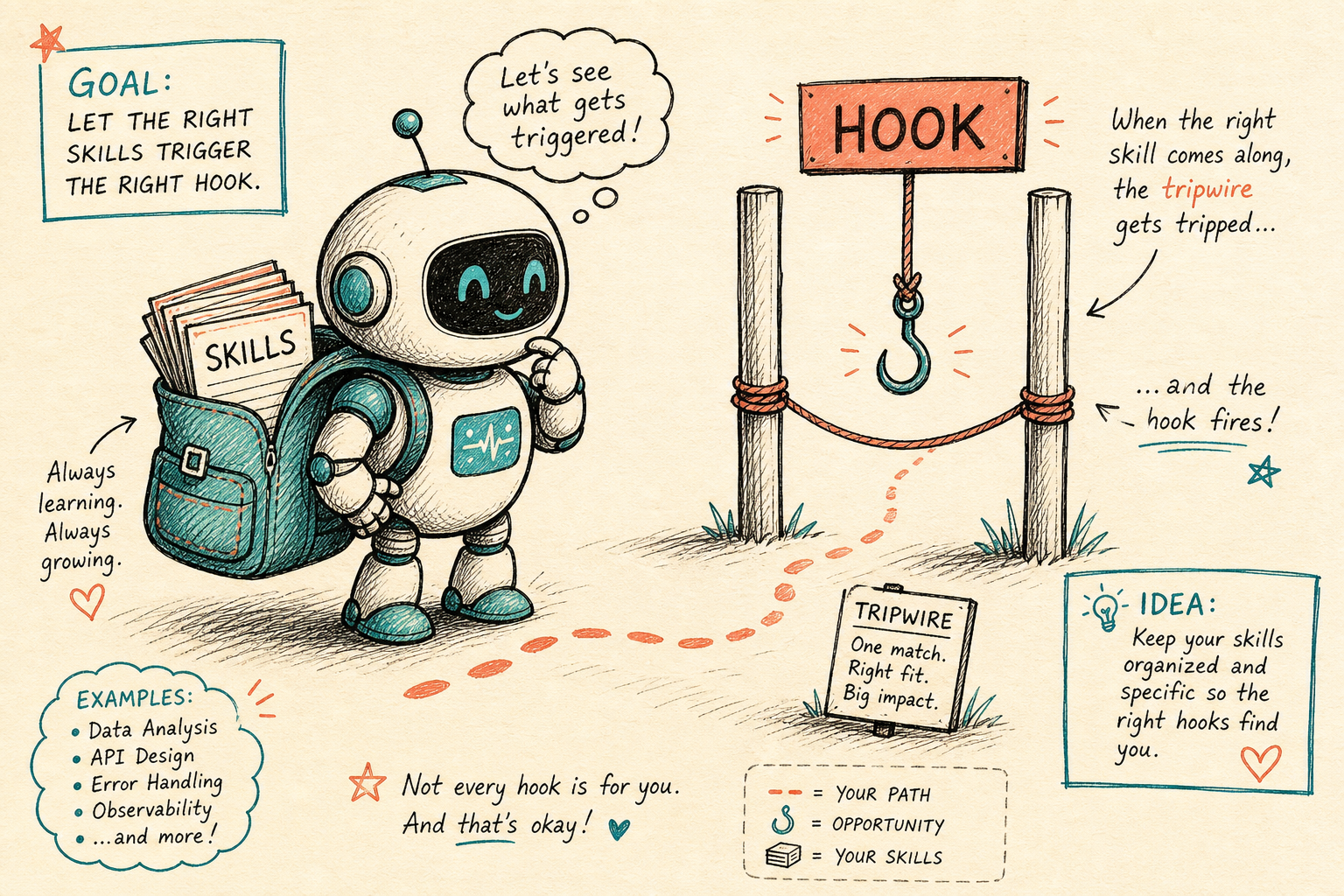
Hooks intercept. Skills package judgment.
Everyone name-drops hooks and skills. Almost nobody explains when to use which, and conflating them builds brittle agents that break on the second edge case.
Discuss agent architectures and share learnings with the community.
Everyone name-drops hooks and skills. Almost nobody explains when to use which, and conflating them builds brittle agents that break on the second edge case.
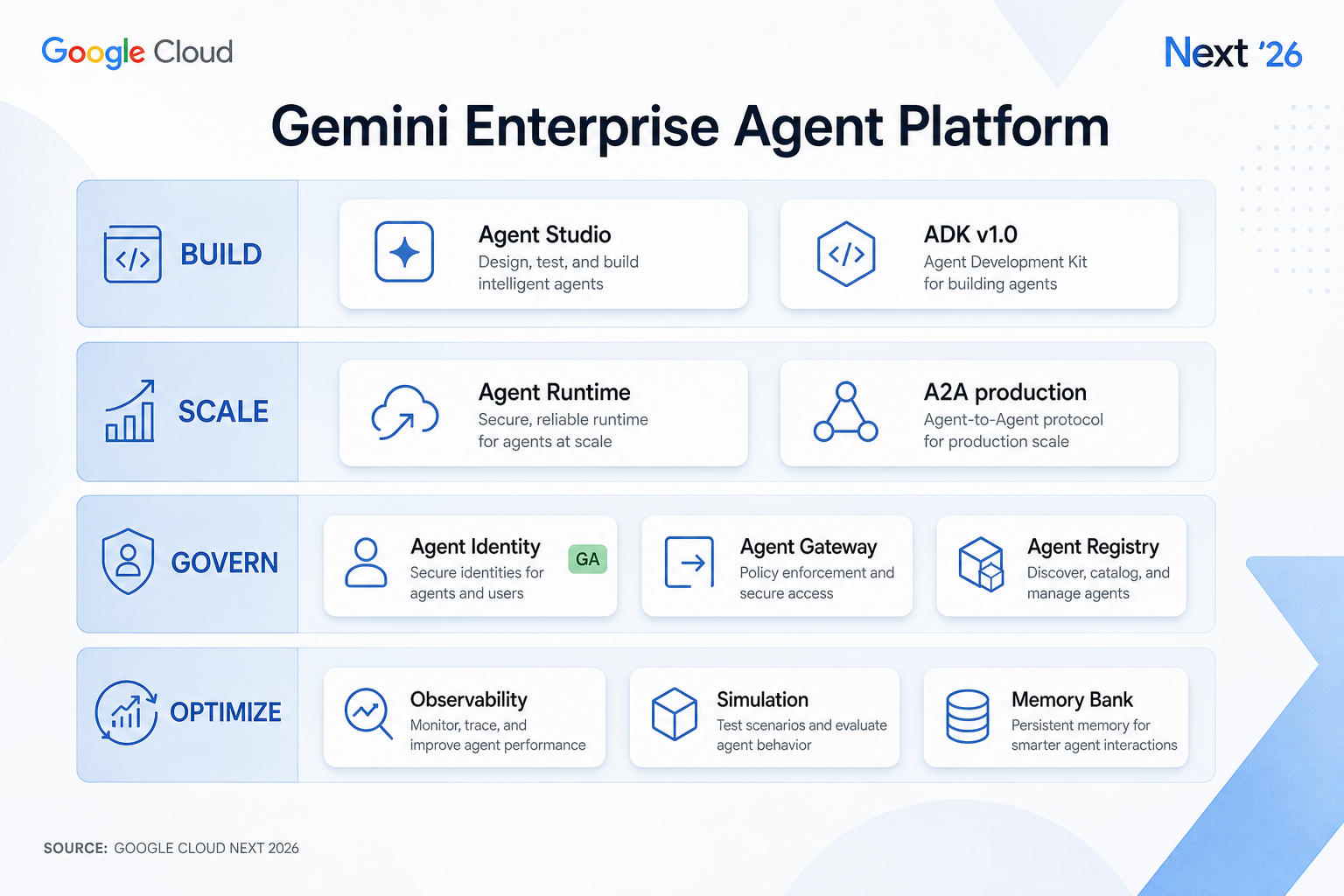
Cloud Next was less about a new model and more about where agents run, who governs them, and how they get discovered inside an org. Here's what Agentspace and the ADK push mean for enterprise buyers.
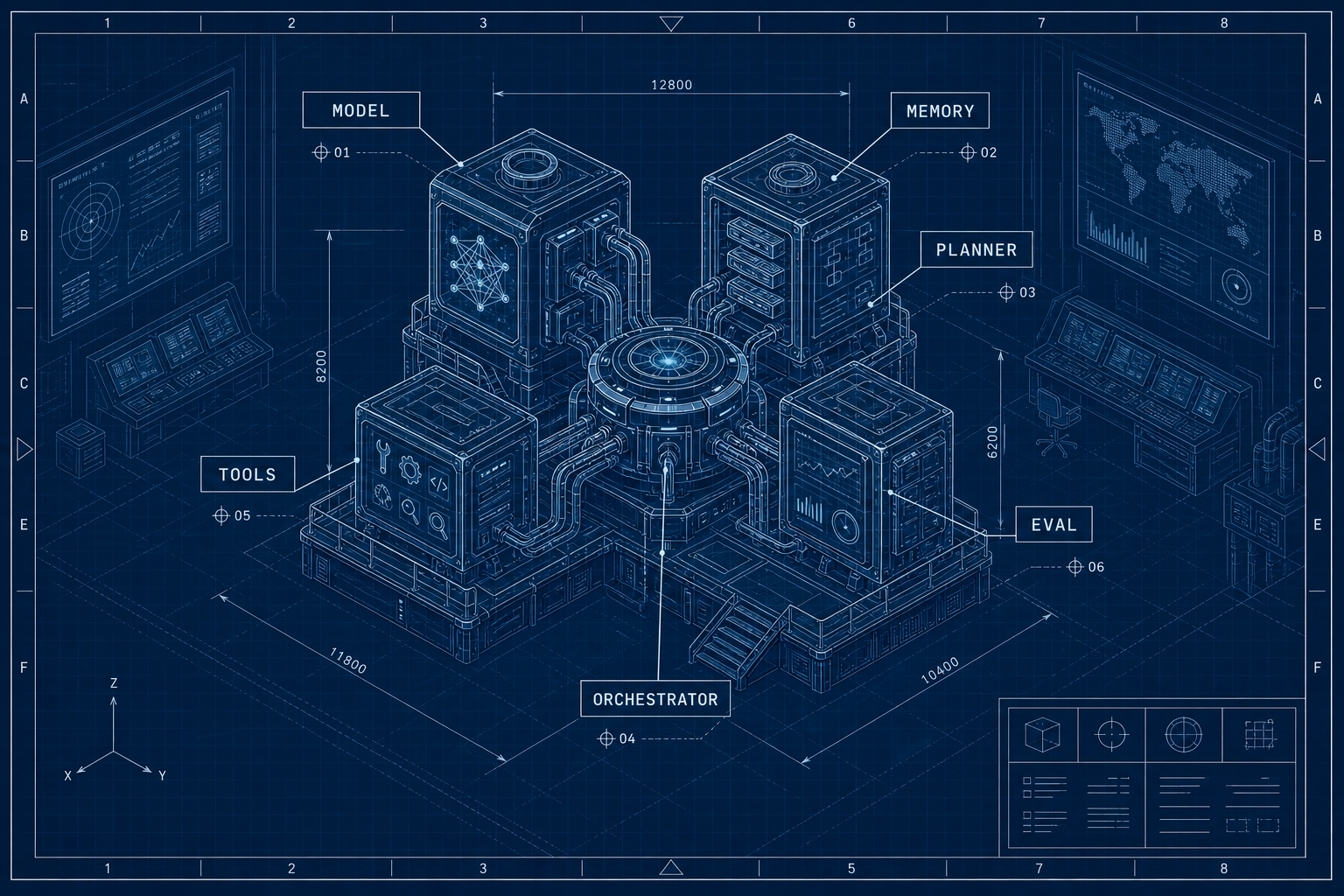
Model, memory, tools, planner, orchestrator, eval: six components with explicit contracts between them. Skip the contracts and you get a demo that collapses in week two.
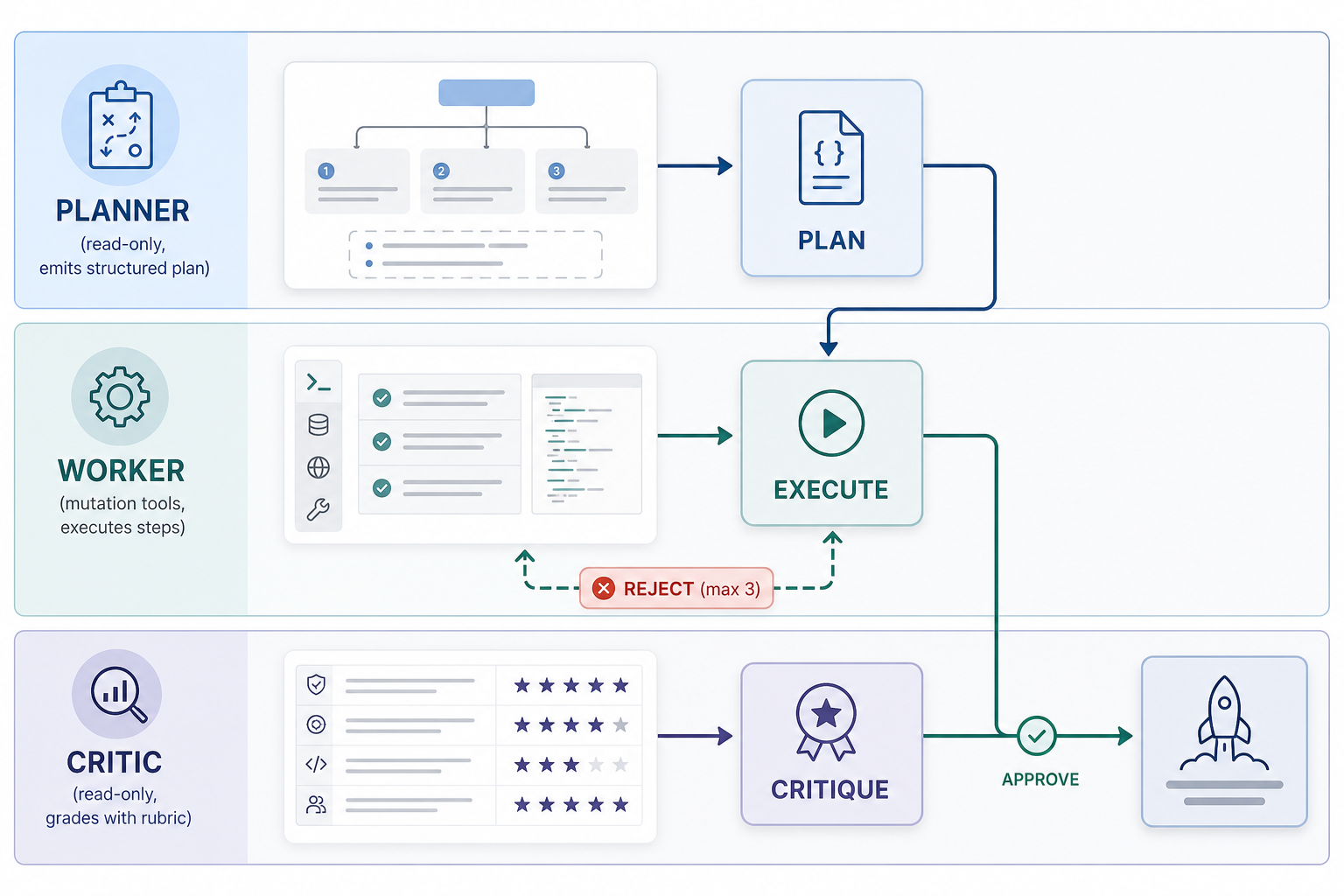
Letting agents riff produces great demos and terrible audits. Explicit planner–worker–critic loops encode rejection at the orchestration layer. The same move as scaling-your-no, but structural.
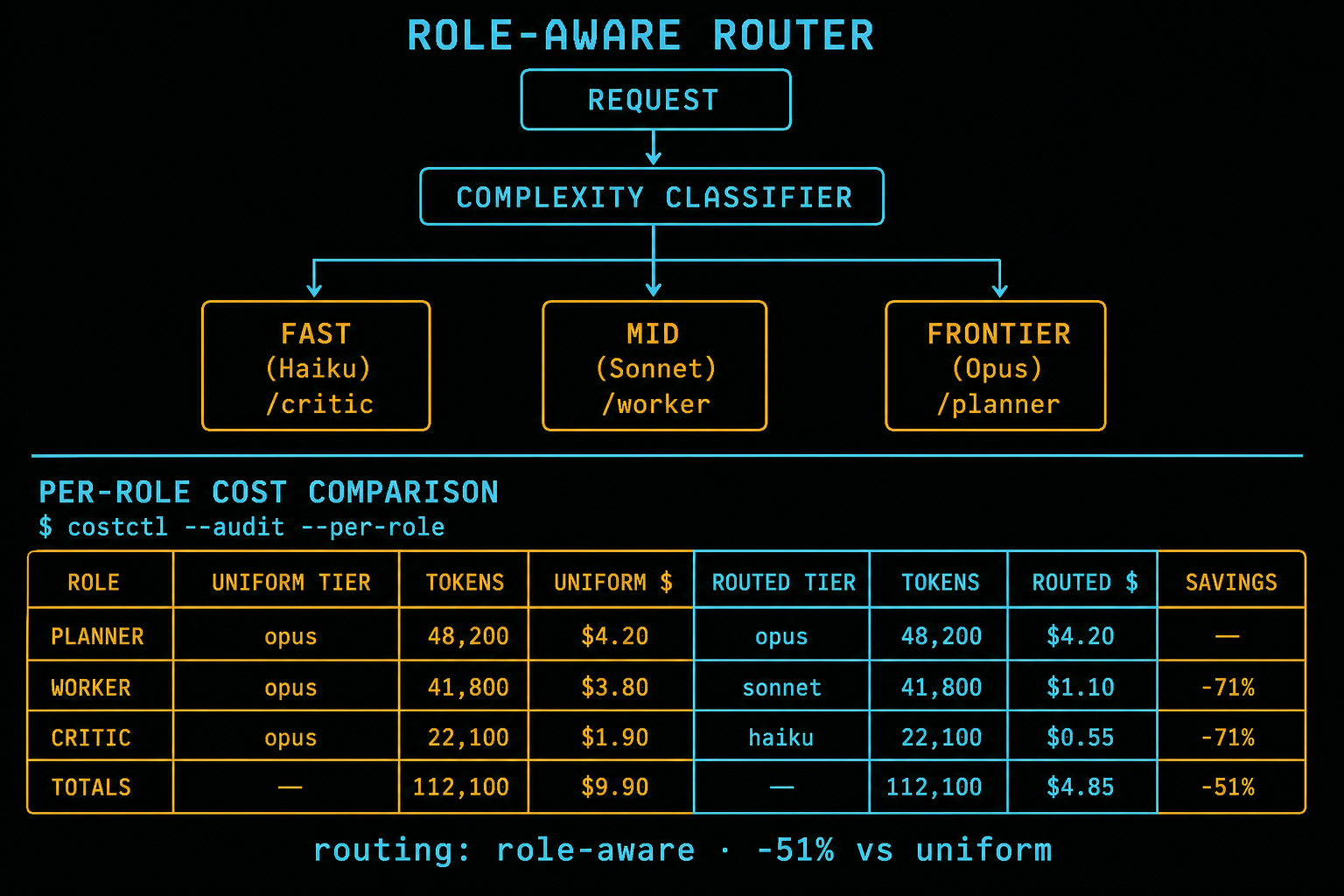
If your planner, worker, and critic all hit a frontier model, your margin dies. Cost architecture; model routing by task criticality: is as important as prompt architecture.
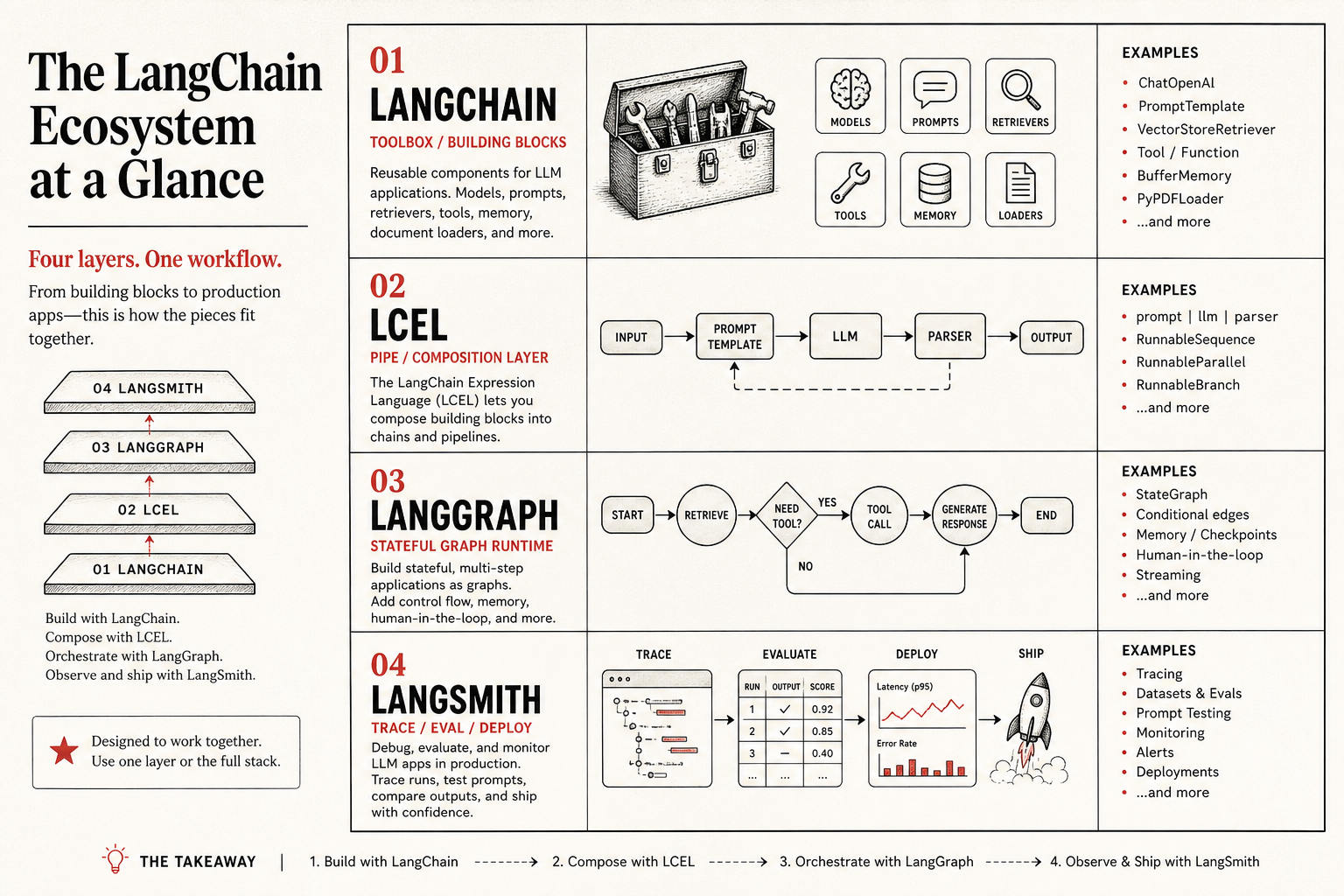
The LangChain brand spans an abstraction library, a graph runtime, an eval/observability platform, and an expression language. Teams that blur them ship the wrong tool for the layer. Here's the clean mental model.